
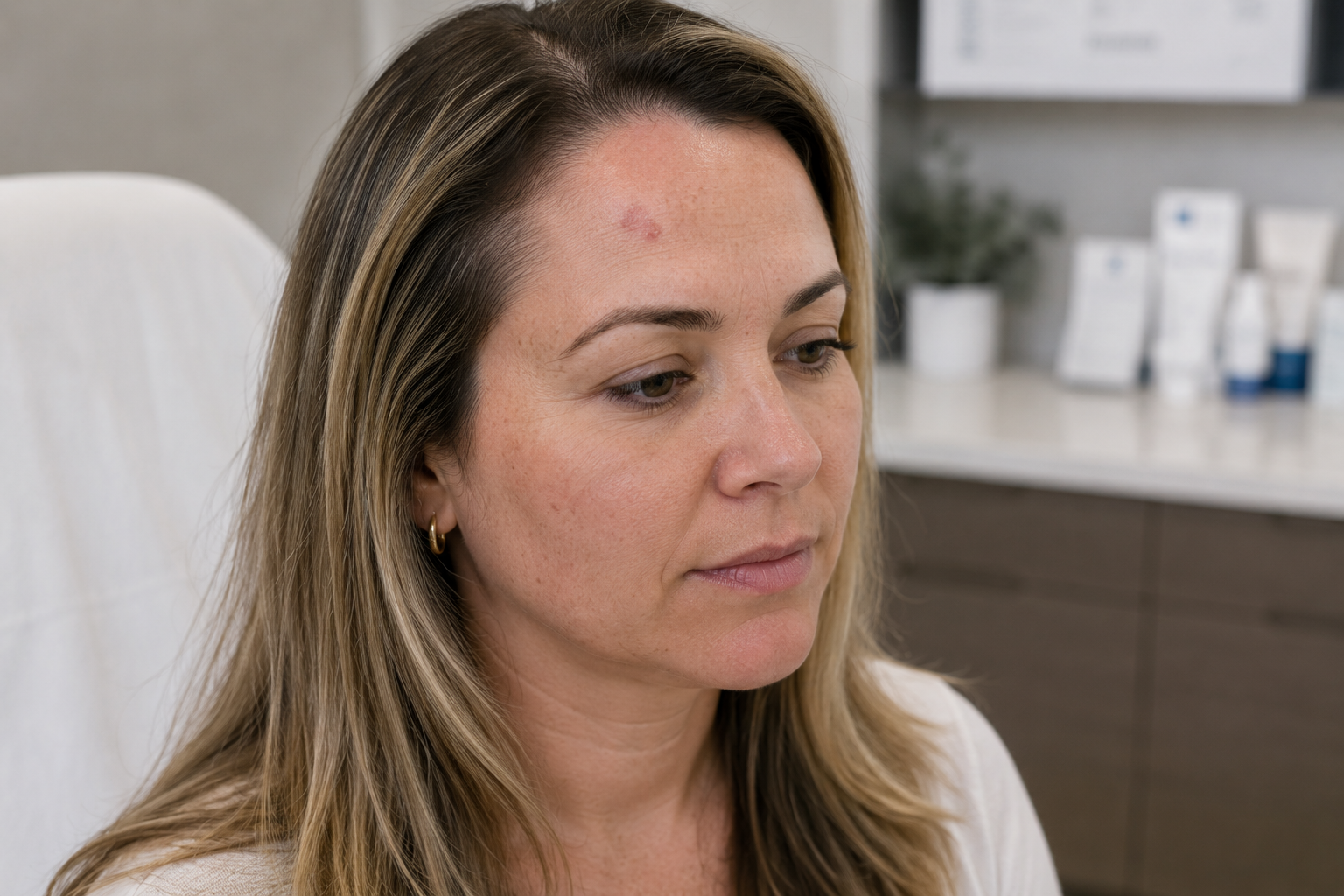
"I noticed a crusty, rough spot on my face that won’t go away. Is it just dry skin, or could it be a precancerous spot?"
Wondering about a rough, scaly spot on your skin? Discover the differences between precancerous actinic keratosis and benign seborrheic keratosis, featuring real-life treatment options like liquid nitrogen cryotherapy from Dr. Ashley Baldree, in Houston and Katy, Texas.
Understanding Rough Skin Spots: When is it More Than Just Dry Skin?
Living in the sunny climate of the Greater Houston area, our skin takes on a lot of environmental stress. While many of us are quick to blame dry patches on a change in the weather, certain rough, scabby, or "stuck-on" spots require a closer look.
Recently, a 40-year-old female patient visited our clinic for a follow-up regarding two very common skin concerns: actinic keratosis on her forehead and an irritated seborrheic keratosis on her chest and lower leg. Both conditions can look like simple, rough bumps to the untrained eye, but they require very different medical approaches.
Here is what you need to know about identifying these spots and how a board-certified dermatologist in Houston can safely treat them.
What is Actinic Keratosis, and Why Does It Matter?
An actinic keratosis (AK) typically presents as a rough, scaly, or hypertrophic erythematous papule. In simpler terms, it feels like a patch of sandpaper or a persistent, crusty bump on sun-exposed areas like the face, scalp, or forearms.
During her visit, our patient was evaluated for an AK on her right forehead. Fortunately, thanks to a previous round of liquid nitrogen cryotherapy in Katy, the lesion had successfully resolved.
However, monitoring these spots is crucial for long-term health:
The Precancerous Risk: Actinic keratoses are considered precancerous proliferations that develop within sun-damaged skin. If left untreated, a small subset of AKs can slowly progress into squamous cell carcinoma (a type of skin cancer).
Prevention is Key: To prevent new AKs from forming, we highly recommend incorporating a daily broad-spectrum sunscreen SPF 30+ into your routine and wearing sun-protective clothing, especially during intense Texas summers.
Dealing with Irritated Seborrheic Keratoses
Unlike AKs, a seborrheic keratosis (SK) is entirely benign. These often look like "stuck-on," waxy, or pigmented plaques. However, because they are raised, they can easily become snagged on clothing or jewelry, leading to an irritated seborrheic keratosis.
Our patient presented with an inflamed, crusted SK on her right lower leg (distal pretibial region). To relieve her discomfort and remove the lesion, we performed a routine in-office procedure:
Paring: The lesion was gently pared down using a medical blade.
Cryotherapy: We applied liquid nitrogen for 2 freeze-thaw cycles to safely destroy the remaining abnormal tissue.
While the treated area will temporarily crust or scab over, it typically heals beautifully, leaving the skin smooth and irritation-free.
The Importance of Routine Skin Checks and Monitoring Benign Moles
During a comprehensive dermatological exam, we don't just look at the spots causing you immediate discomfort. We also map and monitor your benign nevi (common, healthy moles).
Our patient's exam revealed several regular, symmetrical, and evenly colored moles across her upper arm, back, and thigh. While these require absolutely no treatment, we counseled her on the importance of performing monthly self-skin checks at home.
When to Call the Doctor: You should always schedule an evaluation if you notice a mole changing in size, shape, or color, or if a spot begins to itch, burn, or bleed.
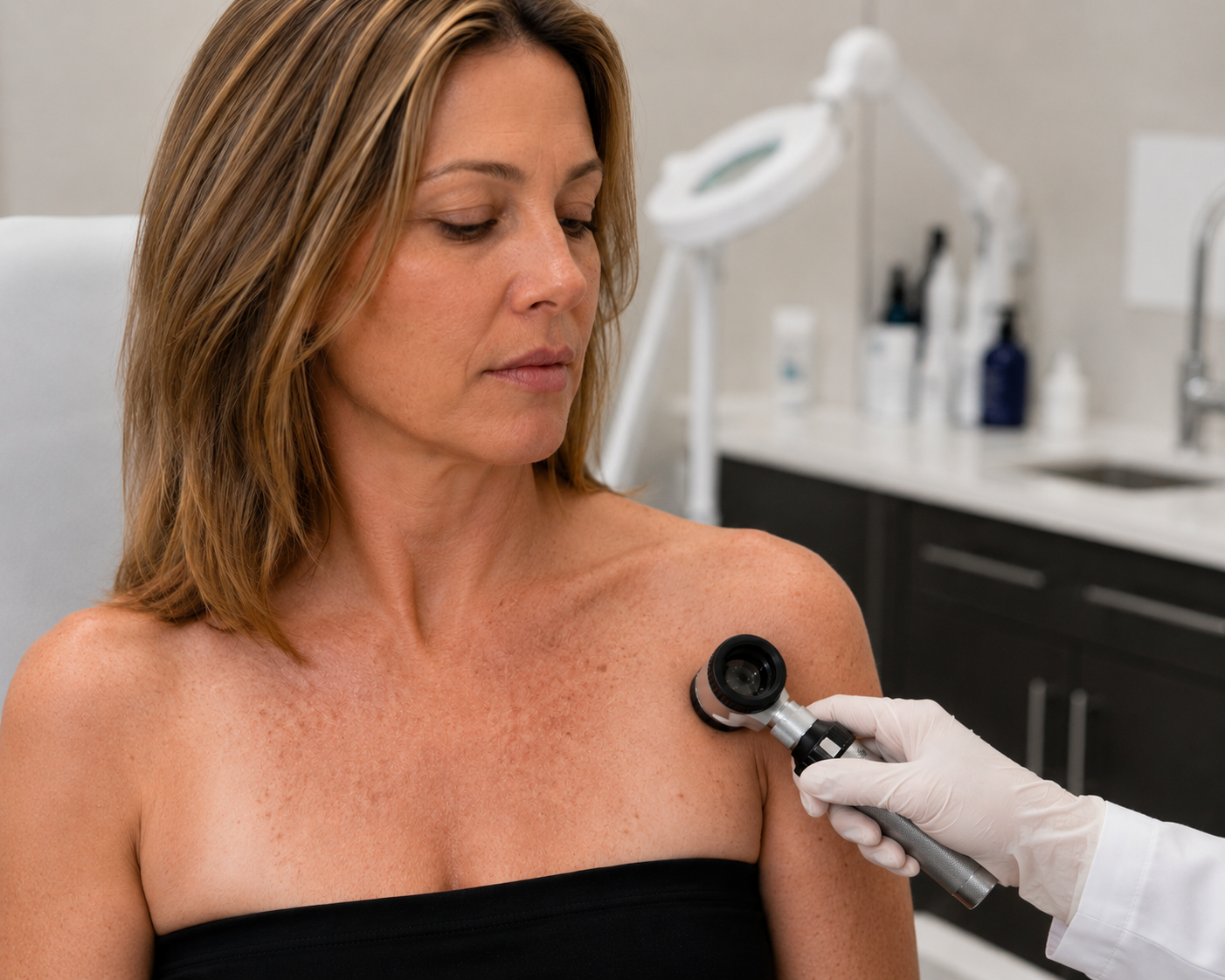
Why Annual Full Body Skin Exams Matter: A Dermatologist’s Perspective
A 53-year-old patient underwent a comprehensive skin examination revealing benign moles, sun spots, seborrheic keratoses, cherry angiomas, and a fibrous papule. Learn why yearly skin checks are essential for long-term skin health.
Full Body Skin Examinations in Katy and Houston, Texas
Regular skin examinations play an important role in maintaining healthy skin and detecting concerning lesions before they become serious. Even patients without a personal or family history of skin cancer can benefit from routine dermatologic evaluations, especially when new or changing skin growths develop.
At Village Dermatology, we recently evaluated a 53-year-old female who presented for her annual full-body skin examination and assessment of several skin lesions on the chest.
Why Annual Skin Checks Are Important
Many skin conditions develop gradually and may not cause symptoms such as pain, itching, or bleeding. During a comprehensive skin examination, dermatologists evaluate the skin from head to toe to identify:
Precancerous lesions
Skin cancers
Changing moles
Sun damage
Benign skin growths
Chronic skin conditions
Routine screenings can provide peace of mind while helping detect abnormalities at an early stage.
Comprehensive Examination Findings
A complete skin examination was performed, including evaluation of:
Scalp
Face
Neck
Chest
Abdomen
Back
Arms and hands
Legs and feet
Nails
Other skin surfaces
Dermoscopy was utilized to provide enhanced visualization of pigmented lesions and other skin growths. Most findings were reassuring and consistent with benign skin conditions.
Fibrous Papule on the Nose
One notable finding was a fibrous papule located on the nasal dorsum.
Fibrous papules are:
Benign growths
Commonly found on the nose
Flesh-colored or slightly pink
Firm to the touch
Non-cancerous
These lesions do not require treatment, although cosmetic removal can be performed for patients who desire improvement in appearance.
Managing Dry Skin (Xerosis)
The patient also exhibited xerosis, or dry skin, involving the trunk.
Dry skin is especially common as we age and may be worsened by:
Frequent bathing
Hot showers
Low humidity
Harsh soaps
To improve skin hydration, recommendations included:
Short warm showers
Gentle fragrance-free cleansers
Daily moisturizing immediately after bathing
Consistent moisturization often provides significant relief.
Understanding Benign Moles (Nevi)
Multiple benign nevi were identified throughout the body.
Characteristics of benign moles include:
Symmetry
Uniform color
Smooth borders
Stable appearance
Although these lesions were not concerning, patients are encouraged to perform monthly self-skin examinations and monitor for any changes.
Seborrheic Keratoses: Common Age-Related Growths
Several seborrheic keratoses were also noted.
These growths are:
Extremely common
Benign
Often appear as "stuck-on" lesions
More frequent with advancing age
While they can occasionally become irritated, treatment is generally unnecessary unless symptoms develop.
Lentigines and Sun Damage
The examination revealed multiple lentigines, commonly referred to as sun spots.
These flat tan-to-brown lesions develop from years of ultraviolet (UV) exposure and are frequently seen on:
Face
Chest
Arms
Shoulders
Hands
Although lentigines are benign, they serve as evidence of cumulative sun damage.
Cherry Angiomas: Tiny Red Vascular Growths
Cherry angiomas were also present throughout the body.
These bright red vascular lesions are:
Benign
Common in adults
Not contagious
Usually harmless
Treatment is typically cosmetic and may be performed using laser therapy or electrodesiccation if desired.
The Importance of Sun Protection
One of the most important takeaways from this visit was the importance of daily sun protection.
Recommendations included:
Broad-Spectrum SPF 30+ Sunscreen
Daily sunscreen use helps reduce:
Sunburns
Premature aging
Sun spots
Skin cancer risk
Protective Clothing
Sun-protective clothing provides an additional layer of defense during outdoor activities.
Lip Protection
A lip balm containing sunscreen helps protect an area frequently exposed to UV radiation.
Regular Reapplication
Sunscreen should be reapplied every two hours during continued sun exposure and more frequently after swimming or sweating.
Monthly Self-Skin Examinations
Patients are encouraged to perform regular self-examinations and watch for:
New lesions
Changing moles
Non-healing sores
Bleeding spots
Rapidly growing growths
Early recognition of suspicious changes often leads to earlier diagnosis and treatment.
Expert Skin Cancer Screenings in Katy and Houston
At Village Dermatology, we provide comprehensive skin cancer screenings, mole evaluations, and treatment of benign and precancerous skin lesions throughout Katy, Houston, and surrounding Texas communities.
Whether you are concerned about a changing mole, sun damage, or simply want the reassurance of an annual skin check, our dermatology team is here to help you maintain healthy skin for years to come.
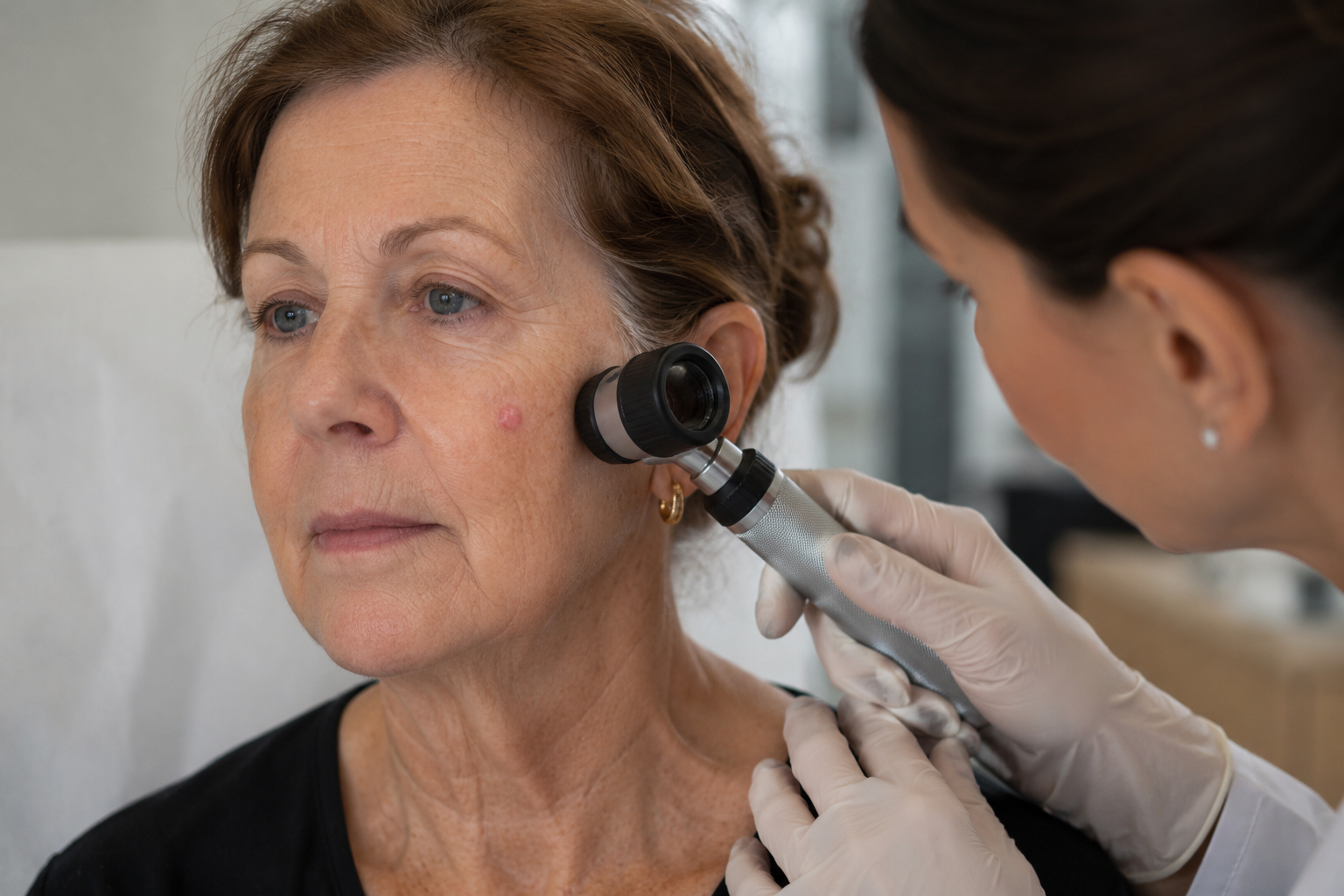
Suspicious Cheek Lesion Evaluated and Biopsied: A Case Study from Village Dermatology
A 65-year-old woman presented with a longstanding facial lesion on the right cheek. Learn how Village Dermatology evaluated and biopsied the growth to rule out basal cell carcinoma and other skin cancers.
Evaluating Persistent Facial Skin Lesions: Why Early Diagnosis Matters
Skin lesions that persist for months or years may seem harmless, especially when they are asymptomatic. However, certain growths on the face can represent early skin cancer or precancerous changes. At Village Dermatology, we emphasize the importance of professional skin evaluations to identify concerning lesions before they progress.
In this case, a patient presented with a longstanding facial lesion that required further investigation to rule out skin cancer.
Patient Presentation
A 65-year-old female presented as a new patient for evaluation of a skin lesion located on her right cheek. The lesion had been present for several years and months and remained asymptomatic throughout its course. The patient reported that nothing made the lesion better or worse, and she had not sought treatment previously.
Because facial lesions can represent a variety of benign and malignant conditions, a comprehensive dermatologic examination was performed.
Dermatologic Examination
A focused skin examination included the:
Face and head
Right upper extremity
Left upper extremity
Right forearm
Left forearm
A dermatoscope was utilized to closely evaluate the lesion and surrounding skin structures.
During examination, an erythematous nodule was identified on the right inferior central malar cheek. Given its appearance and location, further diagnostic evaluation was recommended.
Additional Findings: Excoriations on the Forearms
During the examination, the patient was also noted to have excoriations involving both forearms.
Excoriations are areas of skin damage caused by scratching or picking and can sometimes obscure the underlying cause of irritation.
The patient was advised to:
Avoid scratching affected areas
Apply a bland moisturizer twice daily
Use CeraVe® Anti-Itch Cream as needed
Apply triamcinolone acetonide 0.1% cream twice daily for up to two weeks per month
Education was provided regarding proper skin care and monitoring for new lesions.
Differential Diagnosis of the Facial Lesion
Based on the clinical examination, the lesion was classified as a Neoplasm of Uncertain Behavior (D48.5).
Possible diagnoses included:
Benign skin growth
Neoplasm of uncertain behavior
Basal cell carcinoma (BCC)
Basal cell carcinoma is the most common type of skin cancer and frequently develops on sun-exposed areas such as the face. Although BCC typically grows slowly, early diagnosis and treatment are important to prevent tissue destruction and cosmetic complications.
Because a definitive diagnosis could not be made through visual examination alone, a biopsy was recommended.
Why a Skin Biopsy Was Necessary
When a dermatologist encounters a lesion with suspicious characteristics, a biopsy is often the most reliable method for obtaining a diagnosis.
The patient was counseled regarding:
Observation versus biopsy
Surgical removal options
Potential risks and benefits of diagnostic testing
Risks discussed included:
Scarring
Infection
Bleeding
Scabbing
Incomplete removal
Nerve injury
Allergic reaction to anesthesia
After reviewing all options, the patient elected to proceed with a biopsy.
Procedure: Shave Biopsy of the Right Cheek
Written informed consent was obtained prior to the procedure.
The biopsy site on the right inferior central malar cheek was prepared with alcohol, and local anesthesia was achieved using approximately 0.5 cc of 1% lidocaine with epinephrine.
A shave biopsy extending to the level of the dermis was performed using a Dermablade. The tissue specimen was submitted for histopathologic examination (H&E staining) to determine the exact diagnosis.
Procedure Summary
Location: Right inferior central malar cheek
Lesion Type: Erythematous nodule
Differential Diagnosis: Neoplasm of Uncertain Behavior vs. Basal Cell Carcinoma
Biopsy Technique: Shave biopsy
Instrument: Dermablade
Anesthesia: 1% lidocaine with epinephrine
Hemostasis: Drysol
Dressing: Petrolatum and bandage applied
Pathology: Submitted for microscopic evaluation
The patient tolerated the procedure well and received post-procedure wound care instructions.
Understanding Basal Cell Carcinoma
Basal cell carcinoma is the most frequently diagnosed skin cancer in the United States. Risk factors include:
Chronic sun exposure
Fair skin
Increasing age
History of tanning bed use
Previous skin cancers
Common warning signs include:
Pearly bumps
Pink or red nodules
Non-healing sores
Lesions that bleed easily
Growths that slowly enlarge over time
Many patients mistake early skin cancers for harmless blemishes or scars, which is why regular skin examinations are so important.
The Importance of Early Detection
Facial lesions deserve particular attention because skin cancers on the face can grow into surrounding tissues and may require more extensive treatment if diagnosis is delayed.
A biopsy allows dermatologists to:
Confirm whether a lesion is cancerous
Identify the specific type of skin cancer
Determine appropriate treatment recommendations
Improve cosmetic and medical outcomes through early intervention
Skin Cancer Evaluations in Katy and Houston, Texas
At Village Dermatology, we provide comprehensive skin cancer screenings, diagnostic biopsies, and advanced treatment options for patients throughout Katy and Houston, Texas. If you have a persistent facial lesion, a growth that does not heal, or any concerning skin change, our experienced dermatology team can provide an accurate diagnosis and personalized treatment plan.
Early evaluation can make all the difference when it comes to protecting your skin health and achieving the best possible outcome.
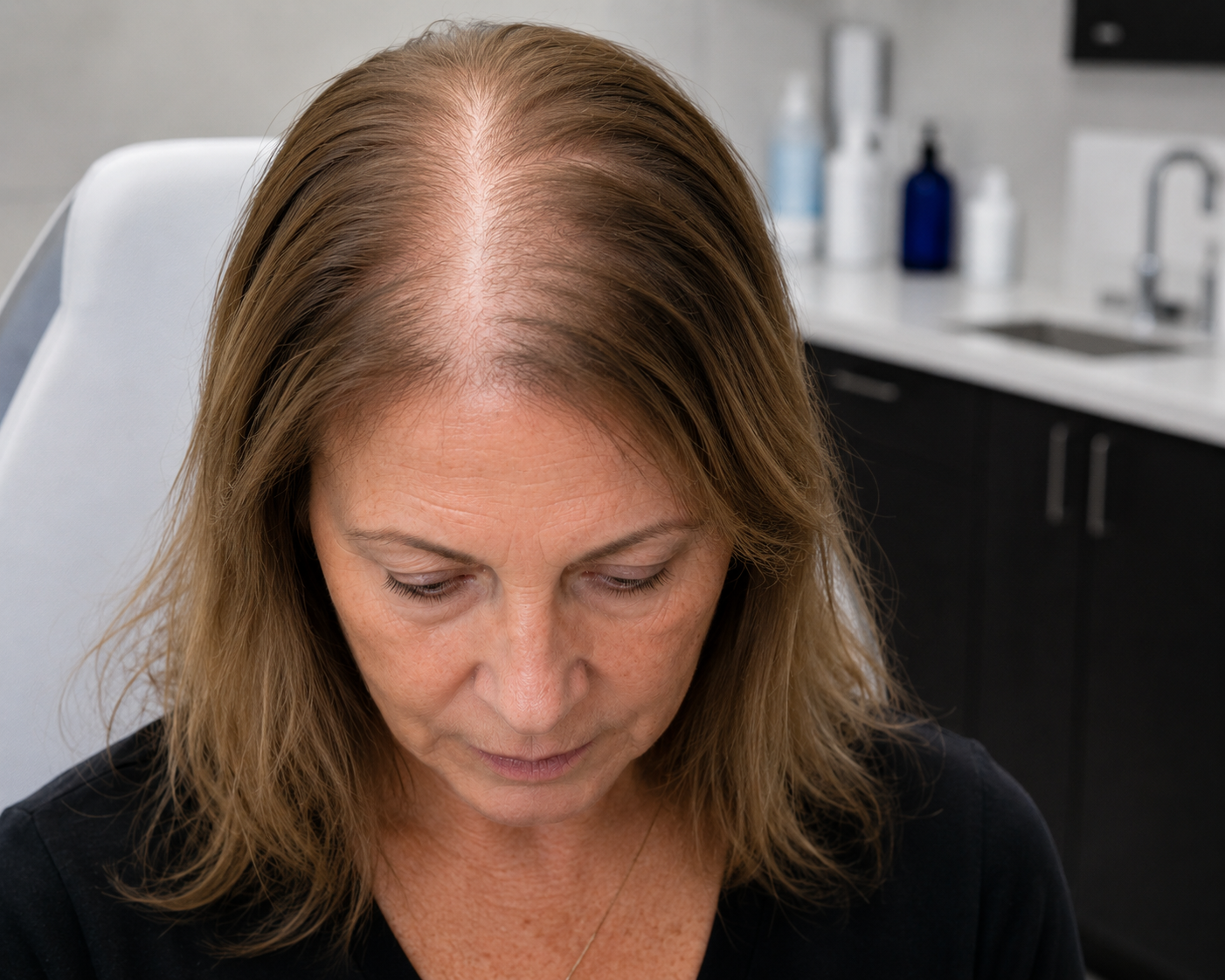
Female Hair Loss Treatment: Exploring Oral Minoxidil for Androgenetic Alopecia
A 65-year-old patient sought treatment for progressive hair thinning and nail changes. Learn how oral minoxidil can help treat female pattern hair loss and what patients should know before starting therapy.
Hair Loss Treatment in Katy and Houston, Texas
Hair thinning can be distressing for women at any age. Female pattern hair loss, also known as androgenetic alopecia (AGA), is one of the most common causes of gradual hair thinning and often becomes more noticeable over time.
At Village Dermatology, we recently evaluated a 65-year-old female who presented for ongoing hair loss that had been progressing for several years. During the same visit, she was also evaluated for changes affecting her fingernails.
Patient Presentation
The patient returned for follow-up after previously discussing treatment options for hair loss. She reported:
Progressive hair thinning over several years
Diffuse loss throughout the scalp
Increased visibility of the scalp
No prior aggressive treatment for hair restoration
A comprehensive scalp examination was performed using dermoscopy to evaluate the pattern and characteristics of hair loss.
Diagnosing Female Pattern Hair Loss
On examination, the patient's hair loss pattern was most consistent with androgenetic alopecia.
Common features of female pattern hair loss include:
Diffuse thinning across the scalp
Widening of the central part line
Gradual progression over time
Preservation of the frontal hairline
Because several hair loss conditions can appear similar, a scalp biopsy was discussed as an option to further confirm the diagnosis if needed.
Understanding Androgenetic Alopecia
Androgenetic alopecia is a genetically influenced condition that affects millions of women.
Unlike temporary shedding disorders, AGA typically causes:
Progressive miniaturization of hair follicles
Shorter hair growth cycles
Decreased hair density
Thinner individual hair strands
Without treatment, hair thinning often gradually worsens over time.
Reviewing Hair Restoration Treatment Options
A variety of treatment options were discussed during the consultation, including:
Oral Minoxidil
Low-dose oral minoxidil has become an increasingly popular option for female pattern hair loss.
Topical Minoxidil (Rogaine®)
Topical minoxidil remains one of the most commonly recommended first-line treatments.
Spironolactone
An anti-androgen medication frequently used in women experiencing hormonally influenced hair loss.
Finasteride
A medication that may be considered in select patients under appropriate medical supervision.
Low-Level Laser Therapy
Laser devices may help stimulate hair growth and improve hair density.
Microneedling
Microneedling may enhance scalp stimulation and improve treatment response.
Hair Transplantation
For advanced cases, surgical hair restoration may provide long-term improvement.
Platelet-Rich Plasma (PRP)
PRP utilizes the patient's own growth factors to stimulate dormant hair follicles and support hair regrowth.
Choosing Oral Minoxidil
After reviewing all available options, the patient elected to begin low-dose oral minoxidil therapy.
Oral minoxidil has gained popularity because:
It is easy to take
It avoids daily scalp application
Many patients experience increased hair density
It may improve overall hair growth consistency
The patient was prescribed oral minoxidil 2.5 mg daily.
Important Oral Minoxidil Side Effects
As with any medication, potential side effects were reviewed in detail.
Patients taking oral minoxidil should monitor for:
Swelling of the feet or ankles
Fluid retention
Rapid heart rate
Dizziness
Lightheadedness
Headaches
Shortness of breath
Unwanted facial or body hair growth
Patients should contact their dermatologist if any concerning symptoms develop.
Nail Changes: Diagnosing Onychomycosis
In addition to hair loss concerns, the patient reported changes involving her fingernails.
Examination revealed:
Nail discoloration
Nail lifting (onycholysis)
Subungual debris
These findings were most consistent with onychomycosis, a fungal infection of the nails.
Treating Nail Fungus Conservatively
Although oral antifungal medications often provide the highest cure rates, treatment decisions must take into account a patient's overall health and medication regimen.
Because the patient was preparing to begin injections for osteoporosis and arthritis, topical treatment was selected initially.
The treatment plan included:
Ketoconazole 2% cream applied daily
Keeping nails trimmed short
Vinegar soaks as supportive therapy
Oral antifungal therapy may be considered in the future if additional treatment becomes necessary.
Why Early Hair Loss Evaluation Matters
Hair loss is often easier to treat when addressed early.
Prompt evaluation can help:
Identify the underlying cause
Preserve existing hair density
Slow progression
Improve treatment outcomes
Restore confidence
A personalized treatment plan is often the key to achieving the best results.
Expert Hair Loss Treatment in Katy and Houston
At Village Dermatology, we provide comprehensive evaluation and treatment for female pattern hair loss, androgenetic alopecia, scalp disorders, and nail conditions throughout Katy, Houston, and surrounding Texas communities.
Whether you're experiencing hair thinning, increased shedding, or nail changes, our dermatology team can help identify the cause and develop a customized treatment plan designed for your needs.
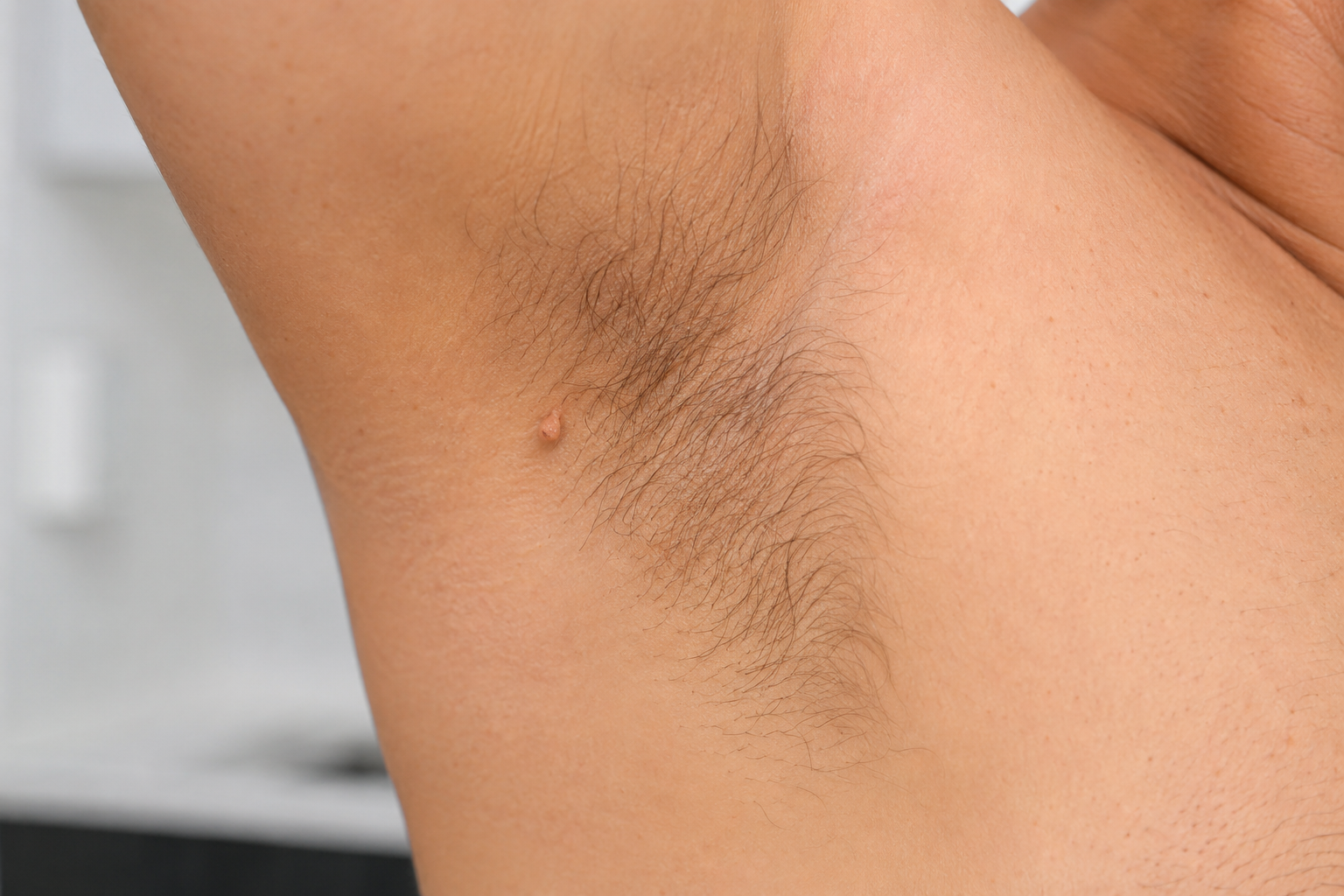
Irritated Skin Tag in the Armpit Successfully Removed: A Case Study from Village Dermatology
A 41-year-old male presented with an irritated skin tag in the right armpit. Learn how Village Dermatology safely diagnosed and removed the growth, providing relief and improved comfort for the patient.
by: Dr. Ashley Baldree
Understanding Skin Tags and When They Need Treatment
Skin tags, also known as acrochordons, are among the most common benign skin growths seen in dermatology practices. While they are harmless and non-cancerous, skin tags can become irritated, painful, or bothersome when they rub against clothing, jewelry, or skin folds. At Village Dermatology, we frequently help patients throughout Katy and Houston, Texas safely remove symptomatic skin tags and improve their comfort and confidence.
Patient Presentation
A 41-year-old male presented to our clinic as a new patient with concerns about an irritated growth located in the right posterior axilla (armpit area). The lesion had become increasingly bothersome due to friction and irritation. The patient sought evaluation, diagnosis, and treatment options.
During the dermatologic examination, the scalp, face, head, and right axillary region were evaluated. The patient was otherwise healthy, well-developed, and in no acute distress.
Dermatologic Examination Findings
Examination revealed a pedunculated, skin-colored papule located in the right posterior axilla. The appearance was characteristic of a skin tag (acrochordon), a benign overgrowth of skin commonly found in areas where skin rubs together.
Skin tags most commonly occur in:
Armpits (axillae)
Neck
Groin
Eyelids
Under the breasts
Although benign, these growths may become inflamed, irritated, or traumatized through daily activities.
Diagnosis
Skin Tag (Acrochordon) – ICD-10: L91.8
The lesion demonstrated classic clinical features of a benign skin tag and did not show concerning characteristics suggestive of skin cancer or atypical growth.
Treatment Discussion
The patient was counseled regarding the nature of skin tags and available treatment options.
Topics discussed included:
Skin tags are benign growths and generally do not require treatment unless symptomatic.
Friction from clothing can cause irritation and discomfort.
Removal options include cryotherapy (liquid nitrogen), surgical excision, or snip removal.
Potential risks of removal include bleeding, infection, pigment changes, pain, and rare scarring.
After reviewing the risks and benefits, the patient elected to proceed with cosmetic skin tag removal.
Procedure: Skin Tag Removal
Written informed consent was obtained prior to treatment.
The lesion was cleansed and prepared using standard sterile technique. Local anesthesia was achieved with 0.5 cc of 0.5% lidocaine with epinephrine (1:200,000) to ensure patient comfort.
The skin tag was then removed using a gradle excision technique. Hemostasis was successfully achieved with Drysol solution.
Procedure Summary
Location: Right posterior axilla
Number of skin tags removed: 1
Anesthesia: Lidocaine with epinephrine
Technique: Gradle excision
Hemostasis: Drysol
Outcome: Successful removal without complications
The patient tolerated the procedure well and was provided with routine wound care instructions.
Why Do Skin Tags Develop?
Although the exact cause is not fully understood, skin tags are associated with:
Friction between skin surfaces
Obesity
Genetics
Aging
Insulin resistance and diabetes
Hormonal changes
Because the armpits experience frequent friction and moisture, they are one of the most common locations for skin tag formation.
When Should You See a Dermatologist?
Patients should seek evaluation if a skin growth:
Becomes irritated or painful
Bleeds repeatedly
Changes rapidly in size or color
Gets caught on clothing or jewelry
Causes cosmetic concerns
Is difficult to identify
While most skin tags are harmless, a board-certified dermatologist can distinguish benign lesions from other growths that may require further evaluation.
Expert Skin Tag Removal in Katy and Houston, Texas
At Village Dermatology, we provide expert diagnosis and treatment of skin tags, moles, cysts, and other common skin growths. Whether your lesion is causing discomfort or you simply want cosmetic improvement, our experienced dermatology team offers safe and effective treatment options tailored to your needs.
If you have an irritated skin tag or another concerning skin growth, schedule an appointment with Village Dermatology for a professional evaluation.
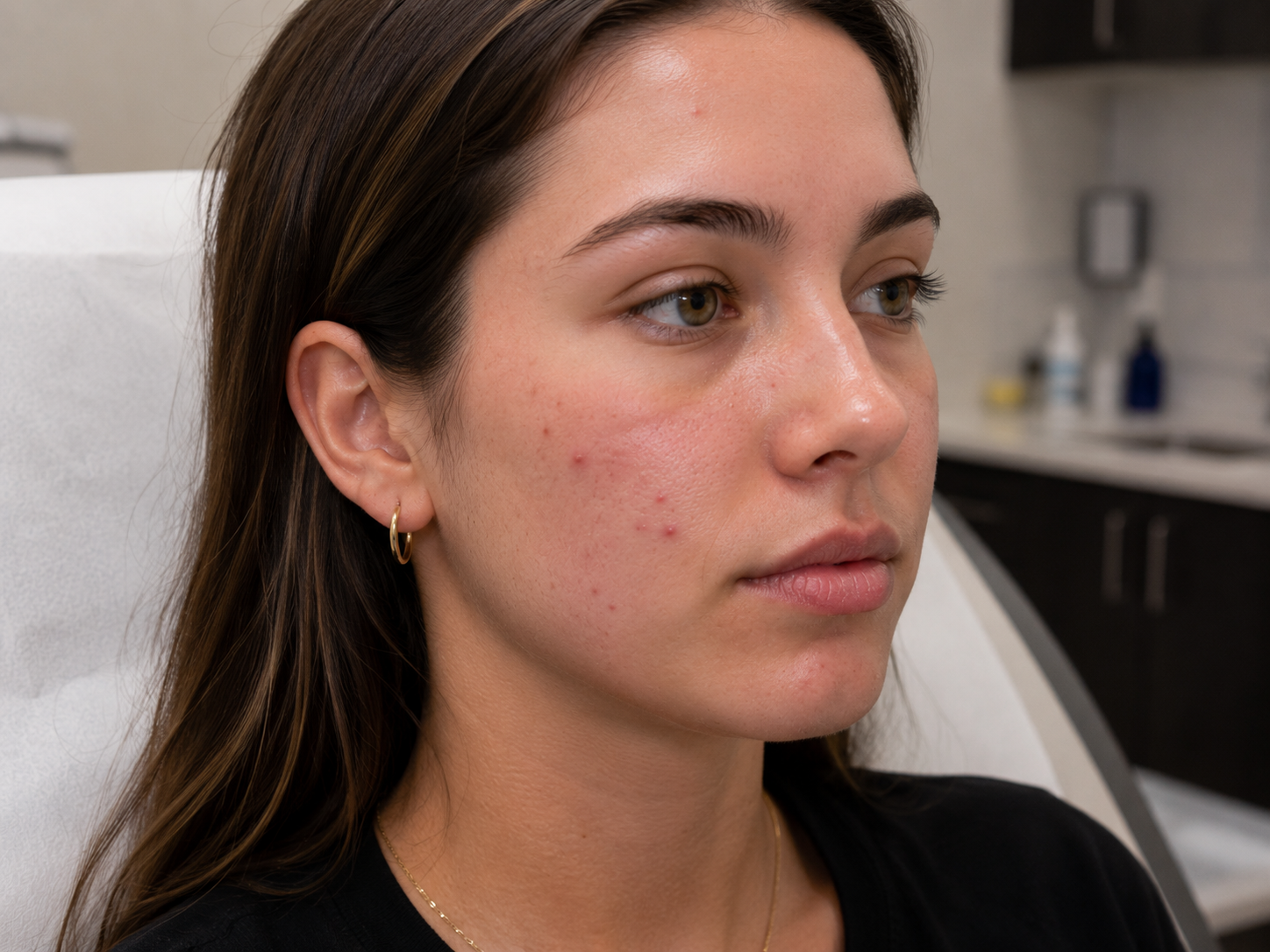
Managing Adult Acne with Accutane: What Happens During Month 6 of Treatment?
A 25-year-old patient undergoing Accutane therapy experienced significant acne improvement with only minor side effects. Learn how isotretinoin and metronidazole helped manage acne and periorificial dermatitis.
Advanced Acne Treatment in Katy and Houston, Texas
For many adults, acne can persist well beyond the teenage years. When traditional treatments fail to provide adequate improvement, isotretinoin (commonly known as Accutane®) may offer a highly effective solution.
At Village Dermatology, we recently followed a 25-year-old female patient during her sixth month of isotretinoin therapy for persistent facial acne. Her case highlights both the effectiveness of treatment and the importance of managing common side effects along the way.
Patient Progress During Month 6 of Accutane
The patient returned for a focused follow-up appointment after completing six months of isotretinoin treatment.
At this visit, she reported:
Overall improvement in acne
Only a few minor breakouts during the previous month
Continued adherence to a gentle skincare routine
Good tolerance of medication
Her skincare regimen included:
Gentle facial cleanser
Cetaphil® moisturizer
Consistent moisturizing practices
Given her positive response, isotretinoin therapy was continued at 80 mg daily.
Common Side Effects During Accutane Therapy
Although isotretinoin is one of the most effective acne treatments available, side effects are common and require ongoing monitoring.
This patient experienced two frequently encountered side effects:
Cheilitis (Dry Lips)
Dry, cracked lips are among the most common isotretinoin-related side effects.
To improve comfort, we recommended:
Frequent application of Vaseline®
Aquaphor® throughout the day
Lip moisturization before bedtime
Most patients experience significant improvement with diligent moisturizing.
Nosebleeds (Epistaxis)
The patient also reported occasional nosebleeds.
Because isotretinoin can dry the nasal passages, saline nasal mist was recommended multiple times daily to maintain moisture and reduce irritation.
Fortunately, she denied more serious side effects including:
Depression
Severe skin dryness
Headaches
Muscle aches
Elevated cholesterol
Elevated triglycerides
Why Monthly Monitoring Is Essential
Isotretinoin is considered a high-risk medication and requires close supervision.
At each follow-up visit, patients undergo evaluation for:
Medication effectiveness
Side effects
Laboratory monitoring when indicated
Pregnancy prevention compliance
For female patients, pregnancy prevention remains critically important due to the risk of severe birth defects associated with isotretinoin exposure during pregnancy.
During this visit:
A urine pregnancy test was performed
The result was negative
Contraception methods were reviewed
iPLEDGE requirements were confirmed
The patient reported using:
Birth control pills (primary method)
Male latex condoms (secondary method)
These measures help ensure treatment remains safe and compliant with federal isotretinoin regulations.
When Acne and Periorificial Dermatitis Overlap
During the examination, the patient also exhibited acneiform papules and pustules around the lower cheeks and facial folds.
These lesions were concerning for:
Periorificial dermatitis
Rosacea-related inflammation
Because periorificial dermatitis can mimic acne, proper diagnosis is important for selecting effective treatment.
What Is Periorificial Dermatitis?
Periorificial dermatitis is a chronic inflammatory skin condition that commonly affects areas around:
The mouth
The nose
The eyes
Symptoms may include:
Small red bumps
Acne-like pustules
Burning or irritation
Recurrent facial flares
Triggers often include:
Heavy cosmetics
Topical steroid use
Fluorinated toothpaste
Sun exposure
Wind exposure
Additional Treatment with Metronidazole Cream
To address the persistent facial bumps, topical metronidazole 0.75% cream was prescribed.
Metronidazole is frequently used to treat:
Periorificial dermatitis
Rosacea
Facial inflammatory eruptions
Patients are advised to:
Use gentle skincare products
Avoid irritating cosmetics
Wear broad-spectrum sunscreen daily
Use non-comedogenic moisturizers
With consistent treatment, many patients experience gradual improvement over several weeks.
The Importance of a Personalized Acne Treatment Plan
Acne treatment is rarely one-size-fits-all.
Many patients require adjustments throughout treatment based on:
Skin response
Side effects
Coexisting skin conditions
Long-term treatment goals
This patient's continued improvement demonstrates how close monitoring and individualized care can help achieve clearer skin while maintaining safety.
Expert Acne and Accutane Care in Katy and Houston
At Village Dermatology, we provide comprehensive acne treatment for teenagers and adults throughout Katy, Houston, and surrounding Texas communities.
Whether you are struggling with persistent acne, hormonal acne, rosacea, or periorificial dermatitis, our dermatology team can create a personalized treatment plan designed to help you achieve healthier, clearer skin.
Schedule a consultation today to learn more about your treatment options.
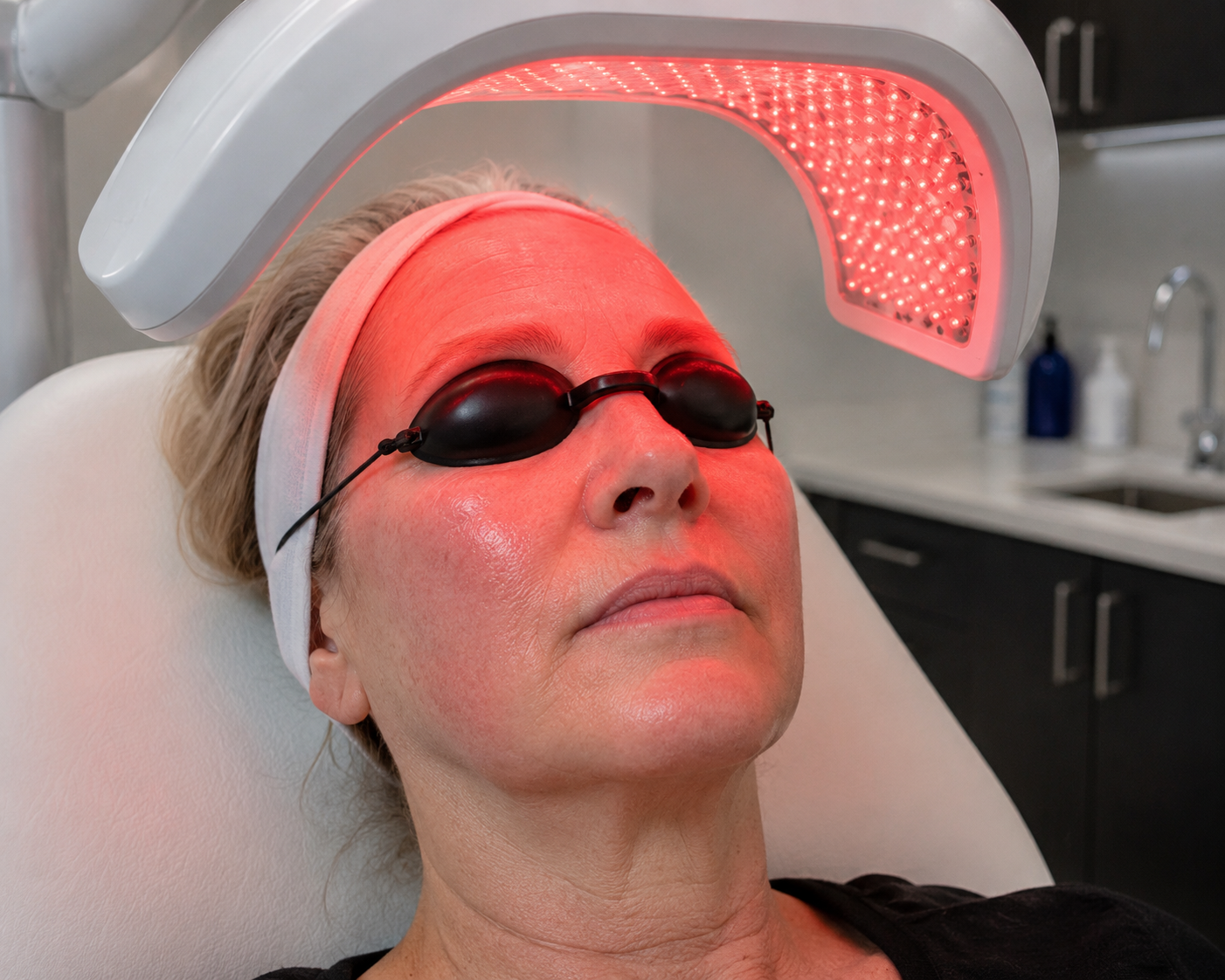
Treating Precancerous Sun Damage with Photodynamic Therapy (PDT): A Patient Success Story
A 66-year-old patient underwent her second PDT treatment for actinic keratoses on the face, lips, and nose. Discover how photodynamic therapy helps eliminate precancerous sun damage and improve skin health.
Advanced Actinic Keratosis Treatment in Katy and Houston, Texas
Years of sun exposure can lead to the development of rough, scaly spots known as actinic keratoses (AKs). These precancerous lesions are extremely common and can increase the risk of developing certain forms of skin cancer if left untreated.
At Village Dermatology, we recently followed a 66-year-old patient undergoing her second session of Photodynamic Therapy (PDT) to treat widespread actinic keratoses affecting the face, nose, and lips.
Patient Presentation
The patient returned for her second PDT treatment after previously undergoing red-light photodynamic therapy several weeks earlier.
She had a history of multiple actinic keratoses located on:
The face
The nose
The lips
These lesions appeared as rough, erythematous patches with overlying scale—classic features of sun-damaged precancerous skin.
Prior treatments included cryotherapy, but due to the extent of sun damage, field treatment with PDT was recommended.
What Are Actinic Keratoses?
Actinic keratoses are rough, scaly growths caused by cumulative ultraviolet (UV) damage from years of sun exposure.
They commonly develop on:
Face
Nose
Lips
Ears
Scalp
Chest
Forearms
Hands
Although many AKs remain stable, some can progress into squamous cell carcinoma, making early treatment important.
Why Photodynamic Therapy Is an Excellent Treatment Option
Photodynamic Therapy (PDT) treats not only visible actinic keratoses but also microscopic sun damage that may not yet be visible.
Benefits of PDT include:
Treatment of large areas of damaged skin
Improved skin texture and tone
Reduction of precancerous lesions
Minimal downtime compared to surgery
Excellent cosmetic outcomes
For patients with extensive sun damage, PDT often provides a more comprehensive approach than treating individual lesions one at a time.
PDT Treatment Session #2
During this visit, the patient underwent her second session of red-light PDT.
Preparation
Before treatment, hyperkeratotic lesions were gently curetted to remove excess scale and improve medication penetration.
The treatment area was then cleansed and prepared.
Application of Ameluz®
One tube of Ameluz® (aminolevulinic acid gel) was applied to the:
Face
Nose
Lips
The medication selectively accumulates within abnormal sun-damaged cells.
Red-Light Illumination
Following application, the treatment area was exposed to a 635 nm red LED light source for 30 minutes.
Activation of the medication produces a photochemical reaction that destroys precancerous cells while minimizing injury to surrounding healthy tissue.
What Patients Can Expect After PDT
Patients commonly experience temporary reactions following treatment, including:
Redness
Mild swelling
Burning or stinging sensations
Crusting
Peeling
Sunburn-like discomfort
These reactions are expected and indicate that the treatment is working.
Most patients notice gradual improvement over the following days to weeks.
Critical Post-Treatment Instructions
Sun avoidance is extremely important after PDT.
Patients are instructed to:
Avoid direct sunlight for 48 hours
Wear protective hats and clothing
Use broad-spectrum sunscreen
Remain indoors when possible during the immediate recovery period
Sun exposure during this timeframe can significantly increase discomfort and inflammation.
Why Full Face Treatment Matters
Many patients have extensive sun damage beyond the lesions that are visible to the naked eye.
Field therapy with PDT helps address:
Visible actinic keratoses
Early precancerous changes
Subclinical sun damage
Future lesion development
This comprehensive treatment strategy often results in healthier skin and fewer future procedures.
Skin Cancer Prevention Starts Early
Actinic keratoses serve as a warning sign that significant UV damage has occurred.
Patients with AKs should:
Schedule regular skin examinations
Perform monthly skin self-checks
Wear daily sunscreen SPF 30+
Avoid tanning beds
Seek evaluation for any changing lesions
Early detection and treatment remain the most effective strategies for preventing skin cancer.
Expert PDT Treatment in Katy and Houston
At Village Dermatology, we offer advanced Photodynamic Therapy (PDT), cryotherapy, skin cancer screenings, and comprehensive treatment for actinic keratoses throughout Katy, Houston, and surrounding Texas communities.
If you have rough, scaly spots that may represent sun damage or precancerous lesions, schedule an appointment with our dermatology team to learn whether PDT may be right for you.
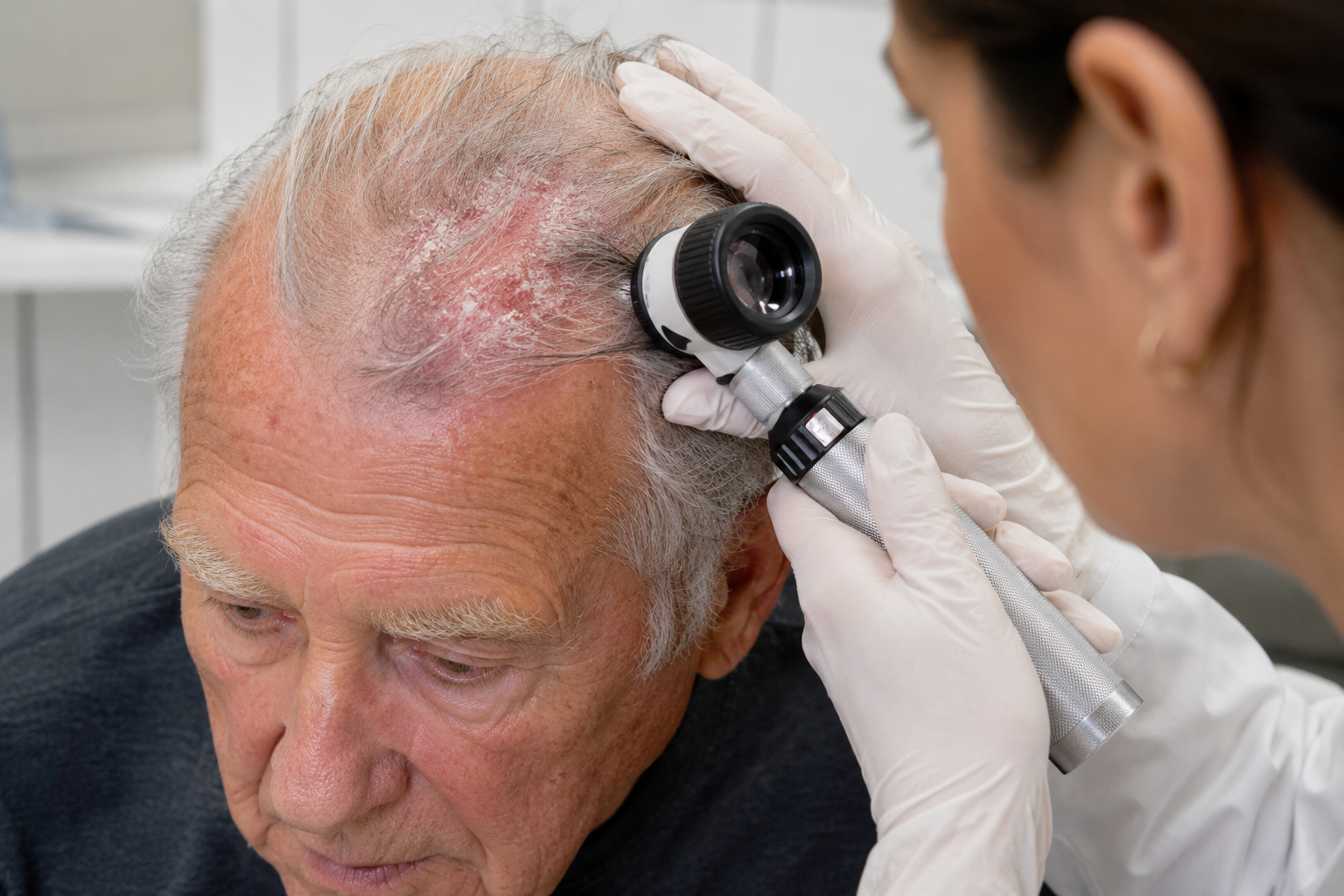
Itchy Scalp for Months? Understanding Scalp Psoriasis and Seborrheic Dermatitis
An 82-year-old patient presented with months of scalp itching and scaling. Learn how scalp psoriasis differs from dandruff and how prescription treatments can provide relief.
Chronic Scalp Itching in Katy and Houston, Texas
An itchy scalp can be frustrating, uncomfortable, and difficult to manage without an accurate diagnosis. While many people assume dandruff is the cause, persistent scalp itching may actually be related to inflammatory skin conditions such as scalp psoriasis or seborrheic dermatitis.
At Village Dermatology, we recently evaluated an 82-year-old patient who presented with months of persistent scalp itching and scaling.
Patient Presentation
The patient came to our clinic for evaluation of an itchy scalp that had been present for several months. He reported:
Persistent scalp itching
Ongoing scalp irritation
Moderate symptoms
No previous dermatologic treatment
Because chronic scalp conditions can have overlapping symptoms, a comprehensive examination was performed.
Dermatologic Examination
A detailed scalp examination was completed, including dermoscopic evaluation and hair inspection.
During the examination, findings suggested either:
Localized scalp psoriasis
Seborrheic dermatitis
Although both conditions can appear similar, additional nail findings observed during the visit favored a diagnosis of psoriasis.
The patient denied experiencing any joint pain or symptoms suggestive of psoriatic arthritis at this time.
What Is Scalp Psoriasis?
Scalp psoriasis is a chronic autoimmune skin condition that causes inflammation and rapid skin cell turnover.
Common symptoms include:
Persistent itching
Thick scaling
Red or pink plaques
Flaking that resembles severe dandruff
Dryness and irritation
The condition can affect small isolated areas of the scalp or involve larger portions of the scalp surface.
How Is Scalp Psoriasis Different from Dandruff?
Many patients confuse scalp psoriasis with dandruff or seborrheic dermatitis because the symptoms can overlap.
Seborrheic Dermatitis
Typically causes:
Greasy scales
Mild redness
Flaking
Intermittent itching
Scalp Psoriasis
Often causes:
Thicker scaling
More defined plaques
Persistent itching
Associated nail changes
Potential joint involvement
A dermatologic examination is often necessary to distinguish between the two conditions.
Why Monitoring for Psoriatic Arthritis Is Important
Psoriasis affects more than just the skin.
Some patients may eventually develop psoriatic arthritis, an inflammatory joint condition associated with psoriasis.
Symptoms can include:
Joint pain
Morning stiffness
Swelling of fingers or toes
Reduced mobility
Because early treatment improves outcomes, patients with psoriasis should notify their dermatologist if joint symptoms develop.
Treatment Plan
To help control inflammation and itching, a customized treatment plan was initiated.
Derma-Smoothe® Scalp Oil
A topical corticosteroid oil was prescribed to reduce inflammation and relieve itching during active flares.
Benefits include:
Rapid itch relief
Reduction of scalp inflammation
Improved comfort during flare-ups
Ketoconazole 2% Shampoo
Ketoconazole shampoo was also prescribed to address scalp scaling and inflammation.
Patients were instructed to:
Apply to the scalp
Allow the shampoo to remain in place for five minutes
Rinse thoroughly
Use two to three times weekly
This therapy can be beneficial for both seborrheic dermatitis and inflammatory scalp conditions.
Additional Scalp Care Recommendations
Patients with chronic scalp conditions may also benefit from:
Regular moisturizing treatments
Medicated shampoos
Tar-based shampoos
Selenium sulfide shampoos
Zinc pyrithione shampoos
Consistent scalp care often helps reduce flare frequency and improve symptom control.
Understanding the Chronic Nature of Scalp Conditions
Both scalp psoriasis and seborrheic dermatitis are chronic conditions characterized by periods of improvement and flare-ups.
Common triggers include:
Emotional stress
Illness
Weather changes
Skin irritation
Inconsistent treatment
Long-term management often focuses on controlling symptoms and minimizing recurrences.
Expert Scalp Psoriasis Treatment in Katy and Houston
At Village Dermatology, we diagnose and treat scalp psoriasis, seborrheic dermatitis, dandruff, eczema, and other inflammatory skin conditions for patients throughout Katy, Houston, and surrounding Texas communities.
If you are experiencing persistent scalp itching, flaking, or irritation that is not improving with over-the-counter products, our dermatology team can help identify the cause and create a personalized treatment plan.
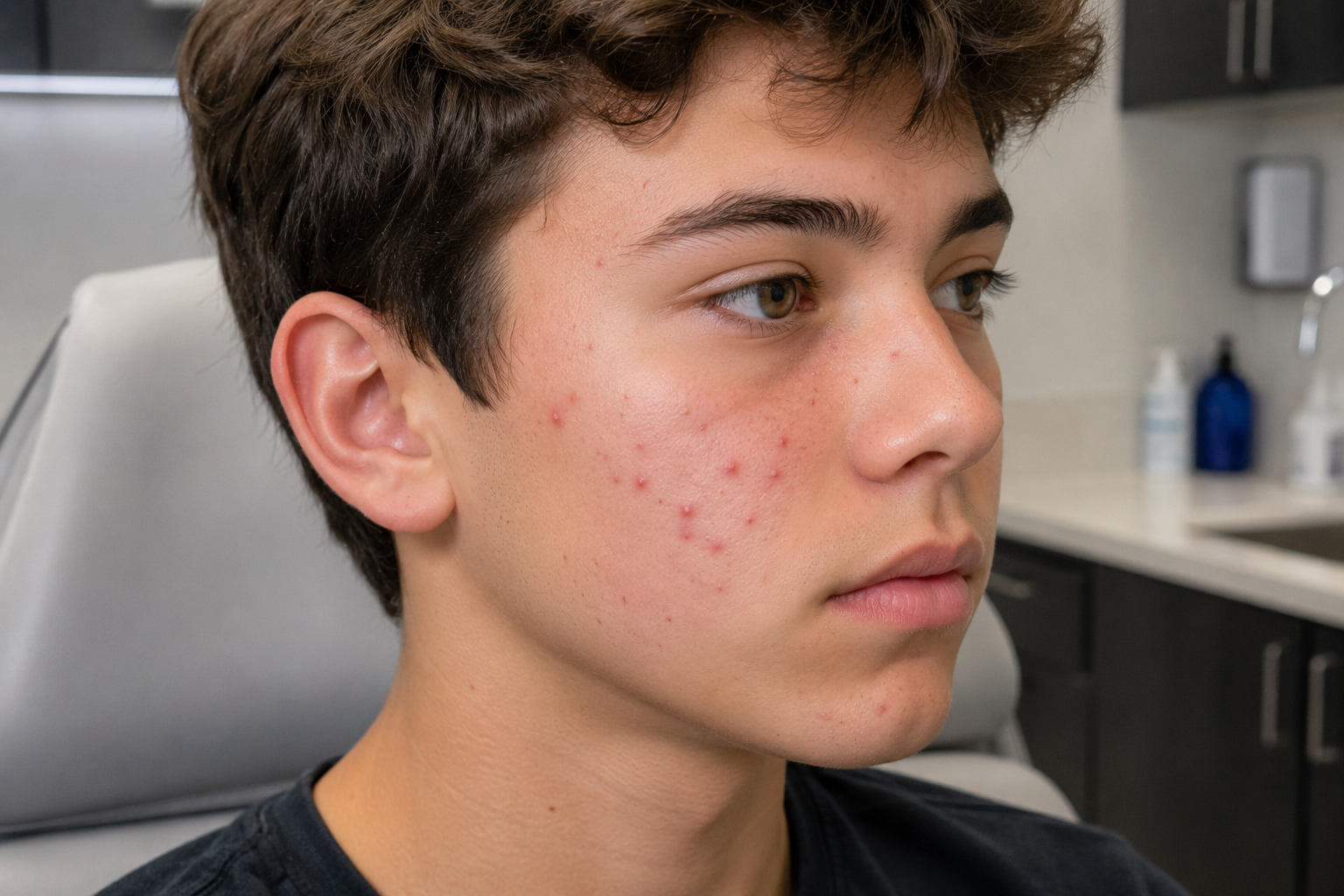
Early Acne Treatment in Teens: Why Starting the Right Skincare Routine Matters
Early acne treatment can help prevent scarring and long-term skin damage. Learn how a customized regimen including tretinoin, clindamycin, and benzoyl peroxide was used to treat teenage acne.
Teen Acne Treatment in Katy and Houston, Texas
Acne is one of the most common skin conditions affecting teenagers. While acne often begins with occasional whiteheads and pimples, early treatment can help prevent progression to more severe inflammatory acne and reduce the risk of permanent scarring.
At Village Dermatology, we recently evaluated a 14-year-old patient who presented for treatment of facial acne that had been developing over several months.
Patient Presentation
The patient came to our clinic with concerns about acne affecting both cheeks. He reported:
Whiteheads
Pimples
Breakouts present for several months
Acne limited primarily to the face
Prior to his visit, he had been using a gentle facial cleanser but had not started prescription acne therapy.
Like many parents, his father was interested in products with favorable safety and ingredient ratings and wanted to establish an effective skincare routine before the acne became more severe.
Understanding Teenage Acne
Acne develops when hair follicles become clogged with oil, dead skin cells, and bacteria.
Several factors contribute to acne formation, including:
Hormonal changes during puberty
Increased oil production
Inflammation within the skin
Bacterial overgrowth
Genetic predisposition
Without treatment, mild acne can sometimes progress to more widespread inflammatory lesions and even permanent acne scarring.
Dermatology Examination Findings
A focused facial examination was performed.
The patient demonstrated acne lesions involving the central portions of both cheeks, including:
Comedonal acne (whiteheads and clogged pores)
Early inflammatory papules
Fortunately, there was no evidence of severe cystic acne or acne scarring at this time.
Because treatment was started early, the goal was to control inflammation and prevent disease progression.
Building an Effective Acne Treatment Plan
After discussing treatment options, a customized skincare regimen was developed.
The treatment plan included:
Morning Routine
Benzoyl Peroxide Wash
A benzoyl peroxide cleanser helps reduce acne-causing bacteria and decrease inflammation.
Clindamycin 1% Gel
Topical clindamycin was prescribed for daily morning use.
Benefits include:
Reducing acne-causing bacteria
Improving inflammatory lesions
Helping prevent future breakouts
Daily Moisturizer with SPF 30+
Sun protection remains an essential component of every acne treatment program.
Evening Routine
Gentle Cleanser
A non-irritating cleanser helps remove oil and debris without damaging the skin barrier.
Tretinoin 0.025% Cream
Tretinoin is considered one of the most effective topical medications for acne treatment.
It works by:
Unclogging pores
Increasing cell turnover
Preventing new acne formation
Improving overall skin texture
Patients typically begin applying tretinoin two to three nights per week before gradually increasing to nightly use as tolerated.
Moisturizer
Regular moisturizing helps minimize dryness and irritation that may occur during the adjustment period.
What Results Can Patients Expect?
One of the most important parts of acne treatment is setting realistic expectations.
Many patients begin treatment expecting immediate improvement, but acne medications require time to work.
Most patients notice:
Early improvements within several weeks
Significant improvement after two to three months
Continued progress with consistent treatment
Many dermatology studies demonstrate approximately 60% to 80% improvement after several months of proper therapy.
Moisturizers Recommended for Acne-Prone Skin
To help maintain a healthy skin barrier, several dermatologist-recommended moisturizers were discussed, including:
Vanicream Daily Facial Moisturizer
CeraVe PM Facial Moisturizing Lotion
La Roche-Posay Toleriane Double Repair Moisturizer
Avène Cicalfate
Kiehl's Ultra Facial Cream
These products are generally non-comedogenic and suitable for acne-prone skin.
Why Early Treatment Is Important
Treating acne early can provide several benefits:
Prevent worsening inflammation
Reduce the risk of acne scarring
Improve self-confidence
Establish healthy skincare habits
Minimize future treatment needs
The earlier acne is addressed, the easier it is often to achieve long-term control.
Expert Teen Acne Care in Katy and Houston
At Village Dermatology, we specialize in treating acne in children, teenagers, and adults throughout Katy, Houston, and surrounding Texas communities.
Whether you're dealing with early breakouts, persistent acne, cystic acne, or acne scarring, our team can develop a customized treatment plan tailored to your skin type and goals.
If your child or teenager is struggling with acne, schedule an appointment with Village Dermatology to begin an effective treatment program and achieve healthier, clearer skin.

"Why Is My Hair Getting Thinner Even Though I'm Healthy?"
A 39-year-old woman sought treatment for female pattern hair loss after noticing progressive thinning on the crown of her scalp. Learn about oral minoxidil, PRP, regenerative hair restoration, and other treatment options available at Village Dermatology in Katy and Houston, Texas.
A Real Patient Case of Female Pattern Hair Loss in Katy and Houston, Texas
One of the most common concerns women bring to Village Dermatology is:
"Why is my hair getting thinner even though I'm healthy?"
Hair thinning can be emotionally distressing, especially when it occurs gradually over time without an obvious cause. Many women are surprised to learn that female pattern hair loss, also known as androgenetic alopecia, is extremely common and often highly treatable when addressed early.
This patient case highlights how a personalized treatment approach can help women preserve and potentially improve hair density.
Patient Presentation
A 39-year-old woman presented to Village Dermatology for follow-up evaluation of ongoing hair thinning.
She had previously been diagnosed with androgenetic alopecia, a common cause of hair loss in women characterized by gradual thinning over the crown and top of the scalp.
The patient reported progressive thinning involving the mid-scalp and crown region and wanted to discuss current and emerging treatment options available for long-term management.
What Is Female Pattern Hair Loss?
Female pattern hair loss is a hereditary condition that causes hair follicles to gradually shrink over time.
Unlike sudden hair loss conditions, androgenetic alopecia typically develops slowly and may present as:
Widening of the hair part
Reduced hair density
Increased scalp visibility
Diffuse thinning at the crown
Excessive hair shedding
Although genetics play a major role, hormonal influences can also contribute.
Examination Findings
During examination, diffuse non-scarring hair thinning was noted on the posterior mid-parietal scalp.
Importantly, there was no evidence of scarring, inflammation, or permanent follicle destruction.
This finding is encouraging because non-scarring forms of hair loss often respond better to treatment when addressed early.
Understanding Hair Growth Treatment Options
During the visit, a comprehensive discussion was held regarding available therapies for androgenetic alopecia.
Oral Minoxidil
Oral minoxidil has become increasingly popular for female pattern hair loss.
Benefits may include:
Increased hair density
Reduced shedding
Improved hair thickness
Enhanced growth cycle support
Patients should understand that improvement typically requires several months of consistent treatment.
Finasteride
Finasteride may be considered in select female patients under physician supervision.
This medication works by reducing the effects of hormones that contribute to follicle miniaturization.
Careful counseling is required because finasteride is not appropriate during pregnancy due to the risk of birth defects.
Nutritional Supplements
Hair growth supplements such as:
Nutrafol
Viviscal
Vitamin D (when indicated)
may help support overall follicular health in some patients.
Low-Level Laser Therapy (LLLT)
Low-level laser therapy uses light energy to stimulate hair follicles and may help improve density when used consistently.
Platelet-Rich Plasma (PRP)
PRP therapy has become one of the most requested hair restoration treatments.
During PRP treatment:
A small amount of blood is drawn.
Growth factors are concentrated.
The growth factor-rich plasma is injected into the scalp.
These growth factors may help stimulate dormant follicles and reduce shedding.
Stem Cell Hair Restoration
Advanced regenerative therapies continue to evolve.
Stem cell-based treatments aim to deliver highly concentrated growth factors to the scalp and may offer future options for patients seeking additional hair restoration solutions.
Why Early Treatment Matters
Hair follicles affected by androgenetic alopecia become progressively smaller over time.
The earlier treatment begins, the greater the opportunity to:
Preserve existing hair
Slow progression
Improve density
Reduce future hair loss
Waiting until substantial thinning occurs may limit the effectiveness of available therapies.
Hair Loss Results Take Time
One of the most important discussions during the visit involved setting realistic expectations.
Most hair loss treatments require:
3 to 6 months before noticeable improvement
Ongoing maintenance
Consistent use
Hair restoration is a long-term commitment rather than an overnight solution.
Acne Management Remained Stable
In addition to addressing hair loss, the patient also discussed her acne management.
She reported excellent control using:
Arazlo®
Dapsone gel
Winlevi®
The patient was satisfied with her results and continued her current regimen.
Expert Hair Loss Treatment in Katy and Houston, Texas
Hair thinning affects millions of women and can significantly impact confidence and quality of life.
At Village Dermatology, we provide comprehensive evaluation and treatment for:
Female pattern hair loss
Hair shedding
Hormonal hair loss
Scalp disorders
Hair restoration therapies
Whether you're interested in oral medications, PRP, regenerative treatments, or customized hair restoration plans, our team can help identify the best approach for your specific needs.
If you've noticed thinning hair, increased shedding, or widening of your hair part, schedule an evaluation with Village Dermatology in Katy or Houston, Texas and learn about the latest treatment options available today.
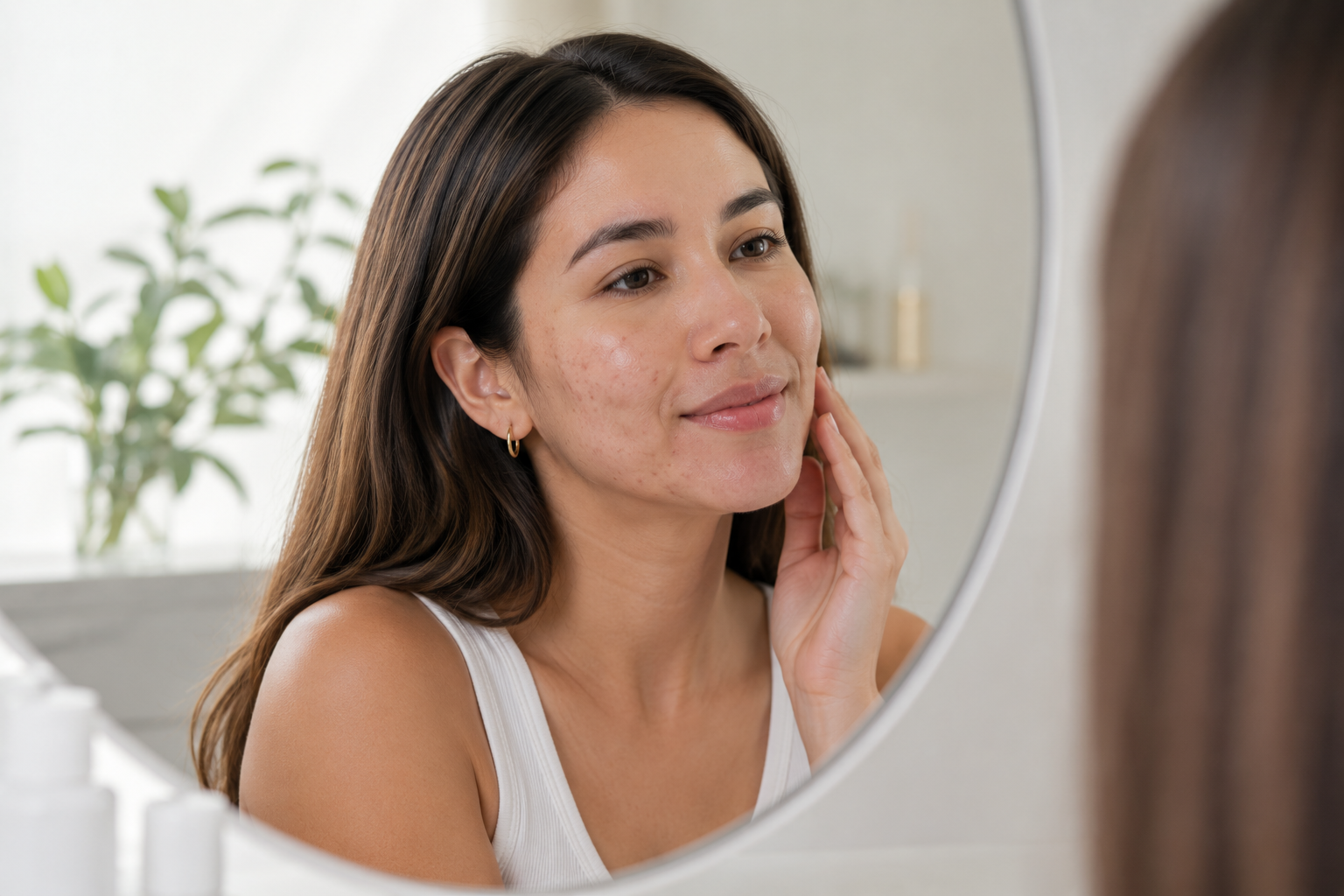
"Can a Chemical Peel Help My Acne and Acne Dark Spots?"
A 33-year-old woman sought treatment for persistent acne and acne-related pigmentation. Learn how a Modified Jessner peel and 30% salicylic acid peel helped address breakouts and improve skin tone at Village Dermatology in Katy and Houston, Texas.
A Real Patient Case from Village Dermatology in Katy and Houston, Texas
One of the most common questions dermatologists hear is:
"Can a chemical peel help my acne and acne dark spots?"
For many adults struggling with persistent acne, the answer may be yes. Chemical peels can be an excellent addition to a comprehensive acne treatment plan, helping improve active breakouts, clogged pores, and post-inflammatory hyperpigmentation.
At Village Dermatology, we recently treated a 33-year-old woman who was looking to improve both her acne and the pigmentation left behind from previous breakouts.
Patient Presentation
A 33-year-old female presented for follow-up treatment of moderate facial acne that had been present for several years.
Her primary concerns included:
Active pimples
Persistent clogged pores
Acne-related pigmentation
Uneven skin tone
Despite using prescription skincare products, she was interested in additional treatments that could accelerate improvement and enhance her overall complexion.
Understanding Adult Female Acne
Acne is not just a teenage problem.
Many women continue to experience breakouts into their 30s, 40s, and beyond due to factors such as:
Hormonal fluctuations
Genetics
Stress
Skincare products
Inflammation
Environmental factors
Adult acne often presents with:
Blackheads
Whiteheads
Inflammatory papules
Pustules
Post-inflammatory hyperpigmentation (dark marks)
In this patient's case, both active acne lesions and pigmentation were contributing to her concerns.
Examination Findings
During examination, multiple acne lesions were noted on the face, including:
Comedonal papules (clogged pores)
Inflammatory papules
Pustules
These findings were consistent with moderate acne vulgaris.
Treatment Approach
The patient was advised to temporarily simplify her skincare routine with gentle skin care for one week following treatment.
After healing, she was instructed to resume:
Tretinoin 0.05%
Azelaic acid
Daily broad-spectrum sunscreen
This combination helps improve acne, pigmentation, and overall skin texture.
Chemical Peel Treatment
As part of her acne treatment plan, a professional chemical peel was performed.
Modified Jessner Peel
The first pass utilized a Modified Jessner solution.
Modified Jessner peels help:
Exfoliate dead skin cells
Improve acne
Reduce pore congestion
Enhance skin texture
Promote brighter skin tone
30% Salicylic Acid Peel
The second pass included a 30% salicylic acid peel.
Salicylic acid is particularly beneficial for acne-prone skin because it:
Penetrates oil glands
Dissolves pore congestion
Reduces inflammation
Improves active breakouts
Helps prevent future acne lesions
The combination of these two peeling agents provides a powerful treatment for acne and acne-related discoloration.
Benefits of Chemical Peels for Acne
Many patients notice improvements in:
Fewer Breakouts
Chemical peels help unclog pores and reduce acne-causing congestion.
Brighter Skin Tone
Peels accelerate skin cell turnover, helping fade acne marks and pigmentation.
Improved Skin Texture
Exfoliation can create smoother, healthier-looking skin.
Enhanced Skincare Results
Prescription treatments such as tretinoin and azelaic acid often work more effectively when combined with professional treatments.
Importance of Sun Protection After a Chemical Peel
Following any chemical peel, sun protection is critical.
Patients should:
Avoid direct sun exposure
Wear SPF 30+ sunscreen daily
Reapply sunscreen regularly
Wear hats and protective clothing outdoors
This is especially important in sunny climates like Katy and Houston, Texas.
Proper sun protection helps prevent unwanted pigmentation and supports optimal healing.
Is a Chemical Peel Right for Your Acne?
Chemical peels can be highly effective for patients experiencing:
Active acne
Blackheads
Whiteheads
Acne scarring
Acne pigmentation
Uneven skin texture
The best treatment plan depends on your skin type, acne severity, and skincare goals.
A consultation with a board-certified dermatologist can help determine whether a chemical peel is an appropriate option for you.
Expert Acne Treatment in Katy and Houston, Texas
At Village Dermatology, we offer customized acne treatment plans that may include:
Prescription medications
Chemical peels
Medical-grade skincare
Laser treatments
Acne scar treatments
Our goal is to help patients achieve clearer, healthier skin through personalized dermatologic care.
If you're struggling with acne, acne scarring, or post-inflammatory hyperpigmentation, schedule a consultation with Village Dermatology and learn what treatment options may be right for you.

"Why Does My Scalp Rash Keep Coming Back Even After Treatment?"
A 62-year-old Texas patient experienced recurring scalp irritation despite treatment. Learn how Village Dermatology identified allergic contact dermatitis caused by a hair product and successfully managed seborrheic dermatitis in this real patient case.
A Real Patient Case of Allergic Contact Dermatitis and Seborrheic Dermatitis in Katy, Texas
At Village Dermatology, one of the most common questions we hear from patients in Katy and Houston is:
"Why does my scalp rash keep coming back even after treatment?"
Scalp itching, redness, flaking, and recurring rashes can be frustrating and often have more than one underlying cause. A recent patient case demonstrates how identifying triggers and following a targeted treatment plan can dramatically improve symptoms.
Patient Presentation
A 62-year-old woman returned to Village Dermatology for follow-up evaluation of two chronic skin conditions:
Seborrheic dermatitis affecting the scalp
Allergic contact dermatitis involving the scalp, forehead, ears, and neck
At her previous visit, she had been experiencing significant scalp irritation, itching, redness, and rash-like patches extending beyond the scalp onto surrounding skin.
Initial Treatment Plan
To address inflammation and scaling, the patient was prescribed:
For Seborrheic Dermatitis
Ketoconazole 2% shampoo
Clobetasol 0.05% scalp solution
For Allergic Contact Dermatitis
Prednisone taper
Tacrolimus 0.1% ointment
She was also instructed to avoid potential irritants and carefully monitor any products coming into contact with her scalp and skin.
Significant Improvement at Follow-Up
At her follow-up appointment, the patient reported substantial improvement.
Most of the rash had resolved, and she was largely clear except for a few residual bumps on the scalp.
The most important discovery during the visit was identifying a likely trigger.
The patient noticed that flare-ups seemed to occur after using a volumizing hair product recommended by her salon.
After discontinuing the product, her symptoms improved significantly.
This finding strongly suggested that the product may have been contributing to her allergic contact dermatitis.
What Is Allergic Contact Dermatitis?
Allergic contact dermatitis occurs when the immune system reacts to a substance that comes into contact with the skin.
Common triggers include:
Hair care products
Fragrances
Preservatives
Cosmetics
Sunscreens
Metals
Nail products
Essential oils
Symptoms may include:
Redness
Itching
Burning
Scaling
Swelling
Eczema-like patches
In this patient, well-defined eczematous patches affected multiple areas around the scalp and neck, making a product-related allergy highly suspicious.
Why Hair Products Are Common Culprits
Many patients are surprised to learn that shampoos, conditioners, hairsprays, volumizers, and styling products can trigger allergic reactions.
Ingredients commonly associated with reactions include:
Fragrances
Preservatives
Formaldehyde-releasing agents
Propylene glycol
Botanical extracts
Hair dye chemicals
When symptoms repeatedly occur after using a specific product, avoiding the suspected trigger is often one of the most effective treatments.
What Is Seborrheic Dermatitis?
Seborrheic dermatitis is a chronic inflammatory condition that commonly affects:
Scalp
Eyebrows
Ears
Nasolabial folds
Beard area
Symptoms often include:
Flaking
Dandruff
Itching
Redness
Scalp irritation
Unlike allergic contact dermatitis, seborrheic dermatitis is not caused by an allergy. Instead, it is believed to result from a combination of:
Skin oil production
Yeast overgrowth
Genetic predisposition
Immune responses
Stress
Managing Seborrheic Dermatitis Long-Term
Because seborrheic dermatitis is chronic, patients should expect periods of improvement and occasional flare-ups.
Treatment commonly includes:
Ketoconazole shampoo
Selenium sulfide shampoos
Zinc pyrithione shampoos
Topical corticosteroids
Anti-inflammatory medications
For this patient, continued use of ketoconazole shampoo and intermittent clobetasol solution helped maintain control of symptoms.
When Should Patch Testing Be Considered?
Patch testing may be recommended when:
Rashes repeatedly return
The trigger remains unclear
Multiple products are suspected
Standard treatments provide only temporary relief
Patch testing helps identify specific allergens responsible for skin reactions and can be extremely valuable for patients with recurrent dermatitis.
Protecting Aging Skin During Treatment
During the visit, the patient also discussed concerns regarding sun damage and facial aging.
Signs of photoaging included:
Sun spots
Pigmentation changes
Loss of skin elasticity
To address these concerns, tretinoin cream was prescribed along with recommendations for daily broad-spectrum sunscreen use.
Consistent sun protection remains one of the most effective strategies for preventing premature skin aging in Texas.
Key Takeaways From This Case
This patient's improvement highlights several important lessons:
Chronic scalp rashes often have multiple contributing factors.
Hair care products can trigger allergic contact dermatitis.
Seborrheic dermatitis requires long-term management.
Identifying triggers is essential for preventing recurrence.
Patch testing can be valuable when symptoms persist.
Daily sun protection helps improve overall skin health.
Expert Treatment for Scalp Conditions in Katy and Houston
If you are experiencing persistent scalp itching, flaking, redness, or recurrent rashes, the dermatology specialists at Village Dermatology can help determine the underlying cause and develop a personalized treatment plan.
Whether your symptoms are caused by seborrheic dermatitis, allergic contact dermatitis, or another skin condition, early diagnosis can help prevent ongoing discomfort and improve your quality of life.
Village Dermatology proudly serves patients throughout Katy, Houston, and surrounding Texas communities with comprehensive medical, surgical, and cosmetic dermatology services.
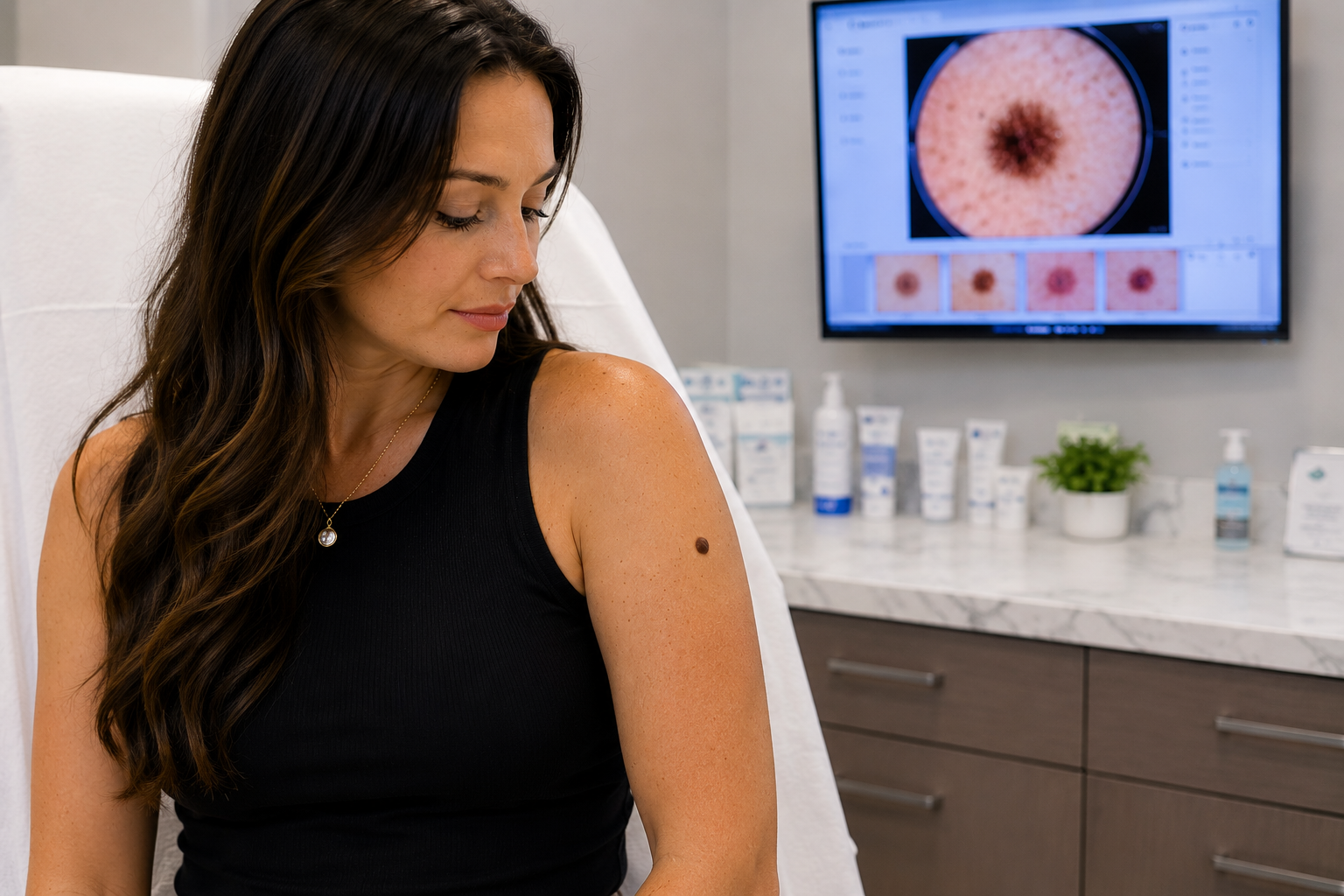
"Doctor, Should I Be Worried About This Mole on My Arm?"
A 31-year-old Texas patient underwent a full body skin examination after concerns about a mole on her arm. Learn how dermatologists evaluate moles, identify benign skin growths, and detect skin cancer early at Village Dermatology in Katy and Houston, Texas.
A Full Body Skin Exam Reveals Common Benign Skin Growths in a Young Texas Patient
At Village Dermatology, one of the most common questions we hear from patients in Katy and Houston is:
"Doctor, should I be worried about this mole on my arm?"
A recent patient visit highlights why routine skin examinations are an important part of maintaining healthy skin and why many seemingly concerning lesions turn out to be completely benign.
Patient Case Overview
A 31-year-old woman presented to Village Dermatology for her annual full body skin examination. She had several skin lesions she wanted evaluated, including spots on her left upper arm and left lower leg.
Although the lesions were not causing pain, itching, or bleeding, she wanted reassurance that they were not dangerous and sought a comprehensive skin cancer screening.
Comprehensive Skin Examination
A thorough full body skin examination was performed, including evaluation of:
Scalp and hair
Face and neck
Chest and abdomen
Back
Arms and legs
Hands and feet
Nails
Other skin surfaces
A dermatoscope was utilized to closely examine pigmented lesions and identify features that may indicate skin cancer or other concerning changes.
Findings: Benign Nevi (Moles)
The primary lesion of concern on the left upper arm measured approximately 6.5 mm and demonstrated reassuring features:
Symmetrical appearance
Regular borders
Even pigmentation
Stable clinical appearance
The lesion was diagnosed as a benign nevus (common mole).
Benign nevi are collections of pigment-producing cells called melanocytes. Most adults develop multiple moles throughout their lifetime, and the vast majority are harmless.
Additional Benign Findings
During the examination, several other common benign skin conditions were identified.
Seborrheic Keratoses
A waxy, pigmented growth on the trunk was diagnosed as a seborrheic keratosis.
These growths are:
Extremely common
Non-cancerous
Often hereditary
More common with age
Many patients mistake seborrheic keratoses for skin cancer because they can appear dark, raised, and irregular.
Lentigines (Sun Spots)
The patient also demonstrated lentigines, commonly called:
Age spots
Sun spots
Liver spots
These develop due to cumulative ultraviolet (UV) exposure and are especially common in sunny climates like Katy and Houston.
While benign, they serve as a reminder that the skin has experienced sun damage over time.
Cherry Angiomas
Multiple cherry angiomas were noted during the examination.
These bright red vascular growths are:
Benign
Extremely common
Typically increase with age
Not associated with skin cancer
Dermatofibroma
A dermatofibroma was identified on the left upper back.
Dermatofibromas are firm, scar-like nodules that often develop following minor trauma such as:
Insect bites
Ingrown hairs
Small cuts or scratches
These lesions are benign and usually require no treatment unless they become symptomatic.
Changes in Skin Texture
The patient also had an area of altered skin texture on the forehead. While no definitive diagnosis was established during the visit, conservative management with moisturization and topical tretinoin therapy was initiated.
Close monitoring was recommended to ensure no progression occurs.
Why Annual Skin Exams Matter
Many patients assume they only need a skin examination if they have a suspicious lesion. However, routine skin checks provide several important benefits:
Early detection of melanoma
Identification of precancerous lesions
Monitoring of changing moles
Education regarding sun protection
Peace of mind regarding benign growths
Even younger adults can develop skin cancer, making periodic skin examinations an important preventive healthcare measure.
How to Monitor Moles at Home
Patients are encouraged to perform monthly self-skin examinations using the ABCDE rule:
A – Asymmetry
One half differs from the other.
B – Border
Edges are irregular or poorly defined.
C – Color
Multiple colors or uneven pigmentation.
D – Diameter
Larger than 6 mm or increasing in size.
E – Evolving
Any change in appearance, symptoms, or behavior.
If a mole changes in size, shape, color, begins itching, bleeding, or becomes painful, evaluation by a board-certified dermatologist is recommended.
Protecting Your Skin in Texas
Residents of Katy and Houston experience significant UV exposure throughout the year. Consistent sun protection remains one of the most effective ways to prevent skin cancer and premature aging.
Recommended sun safety measures include:
Daily broad-spectrum SPF 30 or higher sunscreen
Reapplication every two hours outdoors
Sun-protective clothing
Wide-brimmed hats
UV-blocking sunglasses
Seeking shade during peak sunlight hours
Expert Skin Cancer Screening in Katy and Houston
At Village Dermatology, we provide comprehensive skin cancer screenings, mole evaluations, and personalized dermatologic care for patients throughout Katy, Houston, and surrounding communities.
If you have a mole or skin lesion that concerns you, scheduling a professional skin examination can provide reassurance and help identify potential problems early.
Our goal is to help every patient maintain healthy skin through prevention, education, and expert dermatologic care.
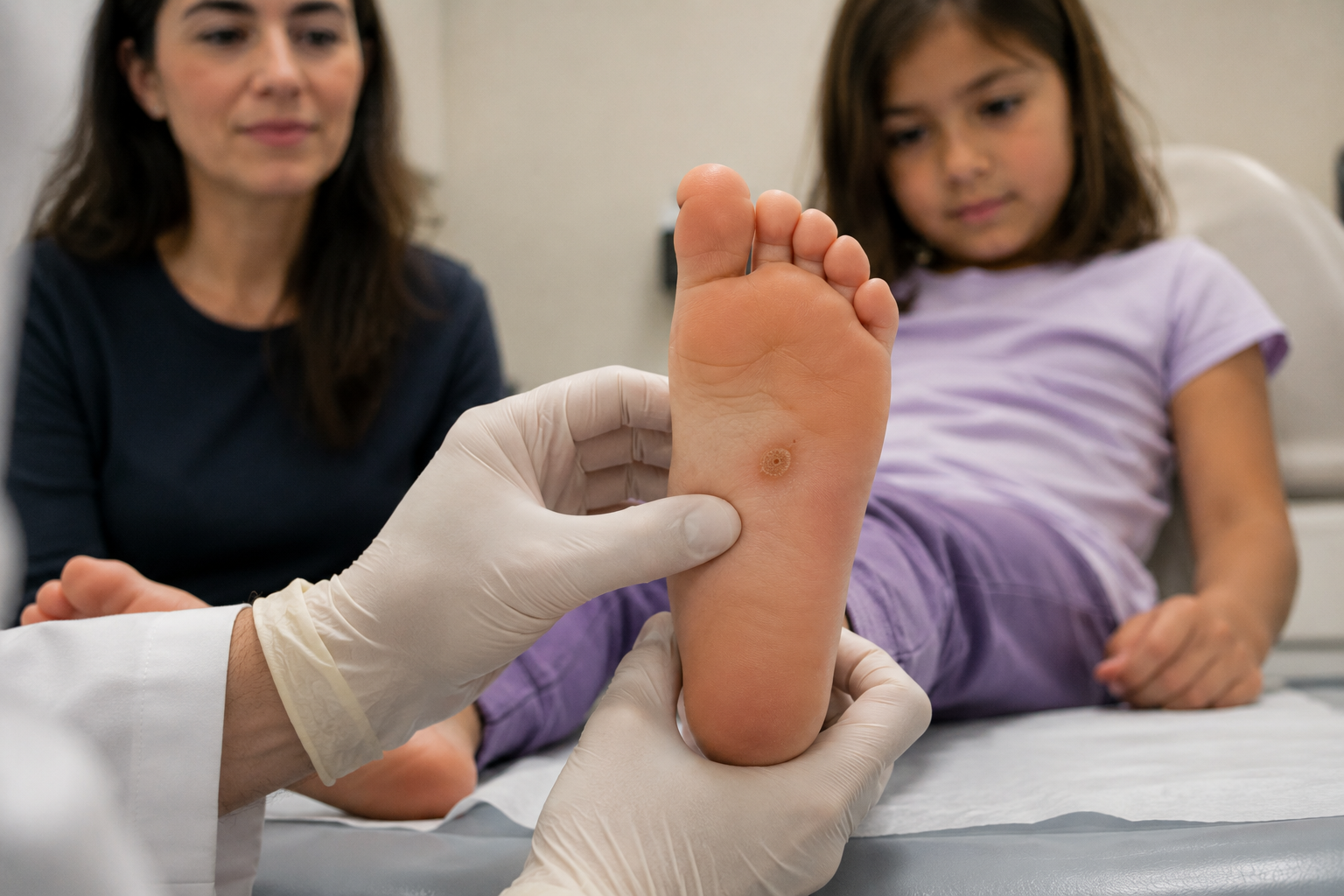
Treating Stubborn Plantar Warts in Children: A Follow-Up Success Story
A young patient returned for follow-up treatment of a stubborn plantar wart on the foot. Learn how cryotherapy and at-home salicylic acid therapy help eliminate persistent warts in children.
Pediatric Wart Treatment in Katy and Houston, Texas
Plantar warts are a common skin condition in children and can often be frustrating for both patients and parents. These warts develop on the feet and are caused by infection with the human papillomavirus (HPV). While many warts eventually resolve on their own, treatment is often recommended when they become persistent, uncomfortable, or continue to spread.
At Village Dermatology, we recently followed a young patient who returned for ongoing treatment of a plantar wart located on the arch of her foot.
Patient Presentation
A 7-year-old female returned for follow-up evaluation of a verruca vulgaris (common wart) located on the right arch of her foot.
At her previous visit, treatment included:
Careful paring of the wart with a surgical blade
Liquid nitrogen cryotherapy (LN2)
Instructions to begin over-the-counter salicylic acid wart bandages at home
The patient and her mother returned for reevaluation to assess treatment progress.
Why Plantar Warts Can Be Difficult to Treat
Plantar warts develop on weight-bearing areas of the foot, making them particularly stubborn.
Factors that contribute to persistent plantar warts include:
Pressure from walking and standing
Thick skin on the soles of the feet
Deep extension of wart tissue
Ongoing viral activity within the skin
Because of these factors, multiple treatment sessions are often necessary to achieve complete clearance.
Follow-Up Examination
During the visit, a comprehensive examination of the patient's right foot was performed.
Although the wart had been previously treated, examination revealed that the lesion remained present on the right arch.
The patient and her mother discussed available treatment options, including:
Repeat Cryotherapy (Liquid Nitrogen)
Cryotherapy freezes the wart tissue and stimulates the body's immune system to help eliminate the viral infection.
Cantharidin Therapy
Cantharidin is a blistering agent frequently used in pediatric dermatology to treat warts.
After reviewing both options, the patient and her mother elected to proceed with another round of liquid nitrogen treatment.
Cryotherapy Treatment
The wart was treated with liquid nitrogen during the visit.
Cryotherapy remains one of the most commonly used wart treatments because it:
Is performed quickly in the office
Does not require surgery
Can be highly effective with repeated treatments
Helps stimulate an immune response against the wart virus
Patients and parents are counseled regarding possible temporary side effects including:
Blistering
Crusting
Scabbing
Temporary skin discoloration
Mild discomfort
These reactions are expected and often indicate that the treatment is working.
Home Wart Treatment Remains Important
Successful wart treatment often requires a combination of office-based therapy and at-home care.
Salicylic acid remains one of the most effective over-the-counter wart treatments and works by gradually removing infected skin cells.
Parents are encouraged to follow treatment instructions carefully and continue home therapy as recommended by their dermatologist.
Understanding Verruca Vulgaris
Verruca vulgaris, or common warts, are caused by HPV infection of the skin.
These lesions often appear as:
Rough or cauliflower-like bumps
Thickened areas of skin
Small flesh-colored or tan growths
Lesions that interrupt normal skin lines
Warts are contagious and may spread through direct contact or contact with contaminated surfaces.
Preventing Wart Spread
To help reduce transmission and recurrence, patients should:
Avoid picking at warts
Wear footwear in public locker rooms and pools
Avoid sharing shoes or socks
Keep affected areas clean and covered when appropriate
Follow all treatment recommendations
Early treatment can often prevent warts from becoming larger or spreading to additional locations.
Expert Pediatric Wart Treatment in Katy and Houston
At Village Dermatology, we provide comprehensive wart treatment for children and adults throughout Katy, Houston, and surrounding Texas communities. Treatment options include cryotherapy, salicylic acid therapy, cantharidin, and other advanced wart management techniques tailored to each patient.
If your child has a persistent wart that is not improving, schedule an appointment with our dermatology team for expert evaluation and treatment.
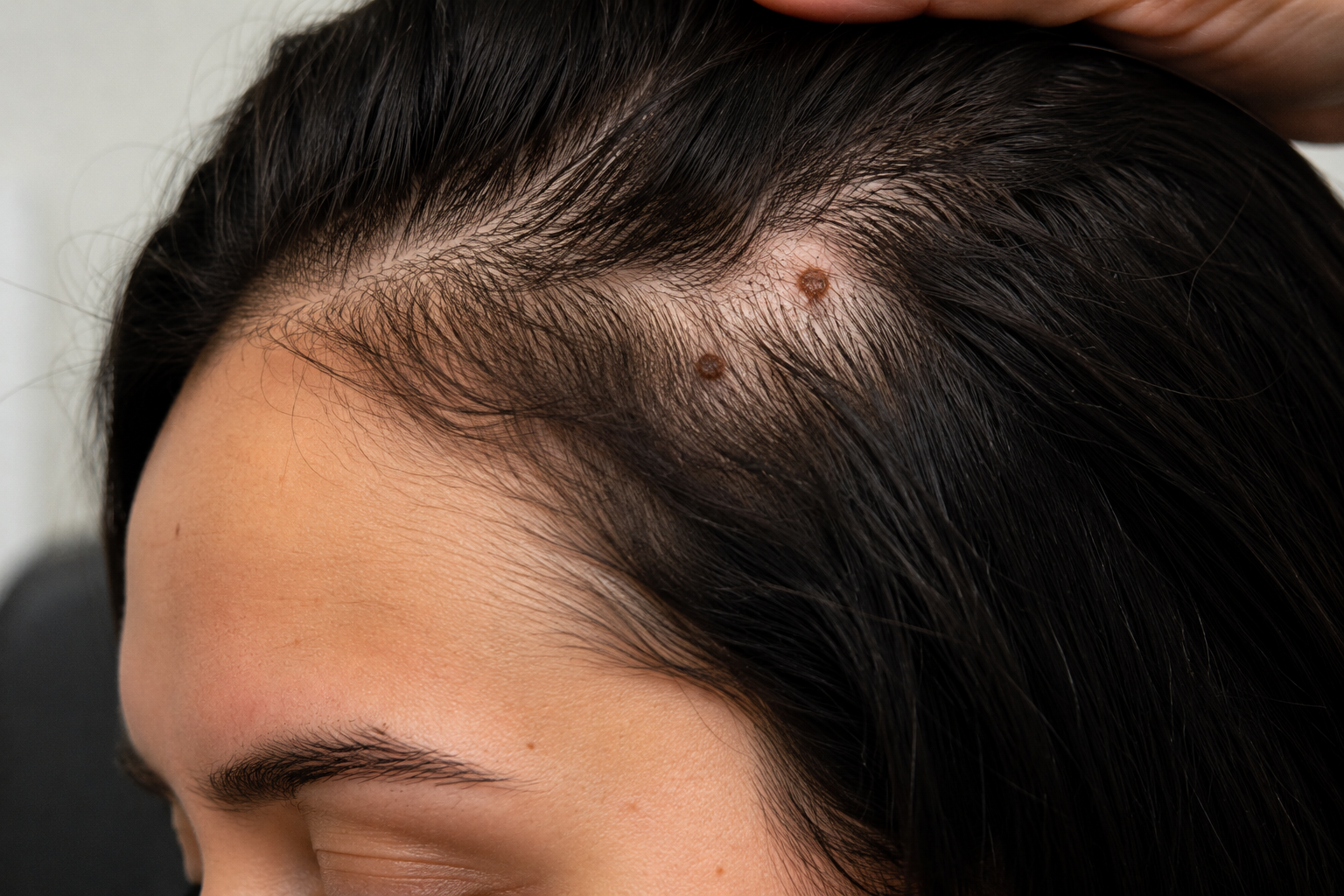
Enlarging Scalp Lesions: When Should You Have a Mole Checked?
Concerned about a scalp mole or enlarging skin lesion? Learn how Village Dermatology evaluated benign scalp nevi and a milia cyst in a young adult patient and when you should seek professional evaluation.
Scalp Mole Evaluation in Katy and Houston, Texas
Many people discover bumps or moles on their scalp while brushing their hair, visiting a hairstylist, or experiencing changes in existing skin lesions. Because the scalp is difficult to examine regularly, changes may go unnoticed for months or even years.
At Village Dermatology, we recently evaluated a young woman concerned about several enlarging lesions on her scalp that had been present for approximately two years.
Patient Presentation
A 25-year-old female presented as a new patient for evaluation of multiple scalp lesions. She reported:
Lesions located on the scalp
Gradual enlargement over time
No pain or itching
Presence for approximately two years
Concern regarding whether the growths were dangerous
Because changes in skin lesions can occasionally signal skin cancer or atypical moles, a comprehensive dermatologic evaluation was performed.
Comprehensive Scalp Examination
A detailed scalp examination was completed, including hair inspection and dermoscopic evaluation.
Dermoscopy is a specialized diagnostic technique that allows dermatologists to closely examine skin lesions using magnification and polarized light. This tool helps distinguish benign lesions from growths that may require further investigation.
Upon examination, the lesions demonstrated reassuring features including:
Symmetrical appearance
Uniform coloration
Regular borders
Stable pigmentation patterns
These findings were most consistent with benign melanocytic nevi, commonly known as moles.
Understanding Benign Scalp Moles
Benign nevi are collections of pigment-producing cells within the skin. They are extremely common and can occur anywhere on the body, including the scalp.
Many scalp moles remain stable throughout life and require no treatment.
Typical characteristics of benign moles include:
Symmetry
Even color distribution
Smooth borders
Stable appearance over time
Although most scalp moles are harmless, periodic monitoring remains important because changes can occur over time.
Why Scalp Moles Deserve Special Attention
The scalp is one of the most difficult areas for patients to monitor.
Hair often conceals lesions, making it challenging to identify changes in:
Size
Shape
Color
Surface texture
Because scalp melanomas can sometimes be diagnosed later than lesions found on other parts of the body, routine skin examinations are particularly valuable.
Patients should seek dermatologic evaluation if a scalp lesion:
Rapidly enlarges
Changes color
Becomes irregular
Bleeds
Itches persistently
Develops ulceration
Courtesy Extraction of a Milia Cyst
During the same visit, a small milia cyst was identified on the right central frontal scalp.
Milia are tiny superficial cysts that contain keratin, a naturally occurring skin protein. These small white or flesh-colored bumps are completely benign and frequently occur on the face and scalp.
The patient elected to undergo a courtesy extraction during the visit.
What Causes Milia?
Milia form when keratin becomes trapped beneath the skin surface.
Common causes include:
Natural skin cell turnover
Skin trauma
Sun damage
Occlusive skincare products
Spontaneous development without a clear cause
Because milia are harmless, treatment is usually performed only for cosmetic reasons.
How to Monitor Moles at Home
Patients with moles should perform monthly self-skin examinations whenever possible.
The ABCDE warning signs can help identify concerning changes:
A – Asymmetry
One half differs from the other.
B – Border
Edges become irregular or poorly defined.
C – Color
Multiple colors develop within the lesion.
D – Diameter
Growth larger than approximately 6 mm.
E – Evolving
Any change in appearance over time.
If any of these changes occur, prompt dermatologic evaluation is recommended.
Expert Skin Cancer Screening and Mole Evaluation in Katy and Houston
At Village Dermatology, we provide comprehensive skin cancer screenings, mole evaluations, scalp examinations, and dermatologic surgery services for patients throughout Katy, Houston, and surrounding Texas communities.
If you notice a changing mole, enlarging scalp lesion, or any growth that concerns you, our dermatology team can provide an expert diagnosis and personalized treatment recommendations.
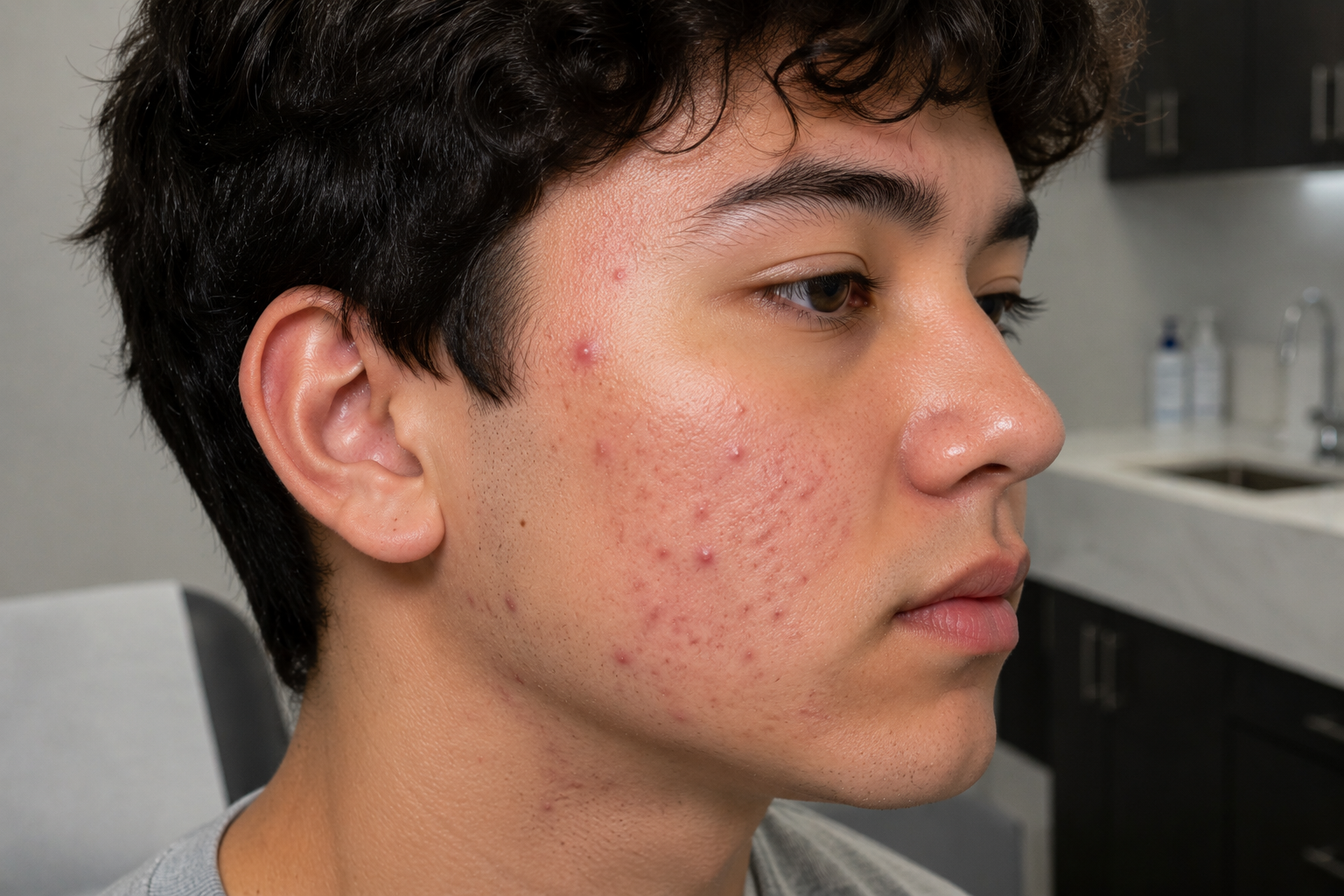
Teen Acne Success Story: Month 5 of Accutane Treatment Shows Excellent Progress
A 16-year-old acne patient completed month five of isotretinoin therapy with no new breakouts and minimal side effects. Learn how Accutane helps teens achieve long-term acne clearance.
Advanced Acne Treatment in Katy and Houston, Texas
Acne can be one of the most frustrating skin conditions for teenagers, especially when breakouts affect both the face and trunk. While many patients improve with topical medications and oral antibiotics, some cases require a more aggressive treatment approach to prevent scarring and achieve long-term clearance.
At Village Dermatology, we recently followed a 16-year-old patient undergoing isotretinoin (Accutane) therapy who demonstrated excellent progress during his fifth month of treatment.
Patient Background
The patient initially presented with inflammatory and comedonal acne involving the face and trunk. His acne included:
Inflammatory papules
Pustules
Comedonal lesions (clogged pores)
Persistent breakouts despite previous treatment attempts
Due to the severity and extent of his acne, isotretinoin therapy was initiated to target the underlying causes of acne and reduce the risk of permanent scarring.
Month 5 Follow-Up: Significant Improvement
During his recent follow-up appointment, the patient reported excellent tolerance of treatment.
Most importantly, he experienced:
No new acne breakouts during the previous month
Continued improvement of existing lesions
No significant treatment-related complications
Aside from manageable skin dryness, he reported no major side effects.
This type of response is encouraging and commonly seen as patients progress through later stages of isotretinoin therapy.
Isotretinoin Dosage Adjustment
Because the patient tolerated treatment well and continued to show improvement, his isotretinoin dosage was increased to 100 mg daily.
Dosage adjustments are often made throughout treatment based on:
Patient weight
Clinical response
Side effect profile
Cumulative target dose
The goal is to reach a cumulative treatment dose of approximately 200–220 mg/kg, which has been associated with lower relapse rates and long-term acne clearance.
Monitoring Safety During Accutane Therapy
One of the reasons isotretinoin remains such an effective treatment is that patients are closely monitored throughout therapy.
At this visit, the patient denied experiencing common isotretinoin side effects, including:
Depression or mood changes
Dry or cracked lips (cheilitis)
Severe skin dryness
Nosebleeds
Headaches
Muscle aches
Elevated cholesterol
Elevated triglycerides
Retinoid dermatitis
Because the dosage was increased, laboratory testing was scheduled for the following month to continue monitoring treatment safety.
Why Monthly Monitoring Matters
Isotretinoin is considered a high-risk medication that requires regular follow-up appointments and laboratory monitoring.
Patients receiving Accutane should:
Complete monthly evaluations
Undergo recommended blood testing
Avoid donating blood
Never share medication
Report any concerning symptoms immediately
Inform their dermatologist of any side effects
These precautions help ensure that treatment remains both safe and effective.
Skin Care During Accutane Treatment
Proper skincare is essential while taking isotretinoin.
Patients are encouraged to use:
Gentle Cleansers
Harsh scrubs and drying products should be avoided.
Non-Comedogenic Moisturizers
Regular moisturization helps minimize dryness and irritation.
Broad-Spectrum Sunscreen SPF 30+
Isotretinoin increases sun sensitivity, making daily sun protection extremely important.
Consistent skincare can significantly improve comfort throughout treatment.
What Results Can Patients Expect?
Many patients begin noticing substantial improvement after several months of therapy.
Isotretinoin works by addressing all major contributors to acne:
Excess oil production
Clogged pores
Inflammation
Acne-causing bacteria
For many patients, completing a full treatment course results in long-term remission and dramatically clearer skin.
Expert Teen Acne Treatment in Katy and Houston
At Village Dermatology, we specialize in personalized acne treatment plans for adolescents and adults throughout Katy, Houston, and surrounding communities.
Whether you are dealing with persistent acne, cystic acne, acne scarring, or treatment-resistant breakouts, our experienced dermatology team can help determine the most effective treatment strategy for your skin.
If you or your teenager are struggling with severe acne, schedule a consultation with Village Dermatology to learn whether isotretinoin may be an appropriate treatment option.
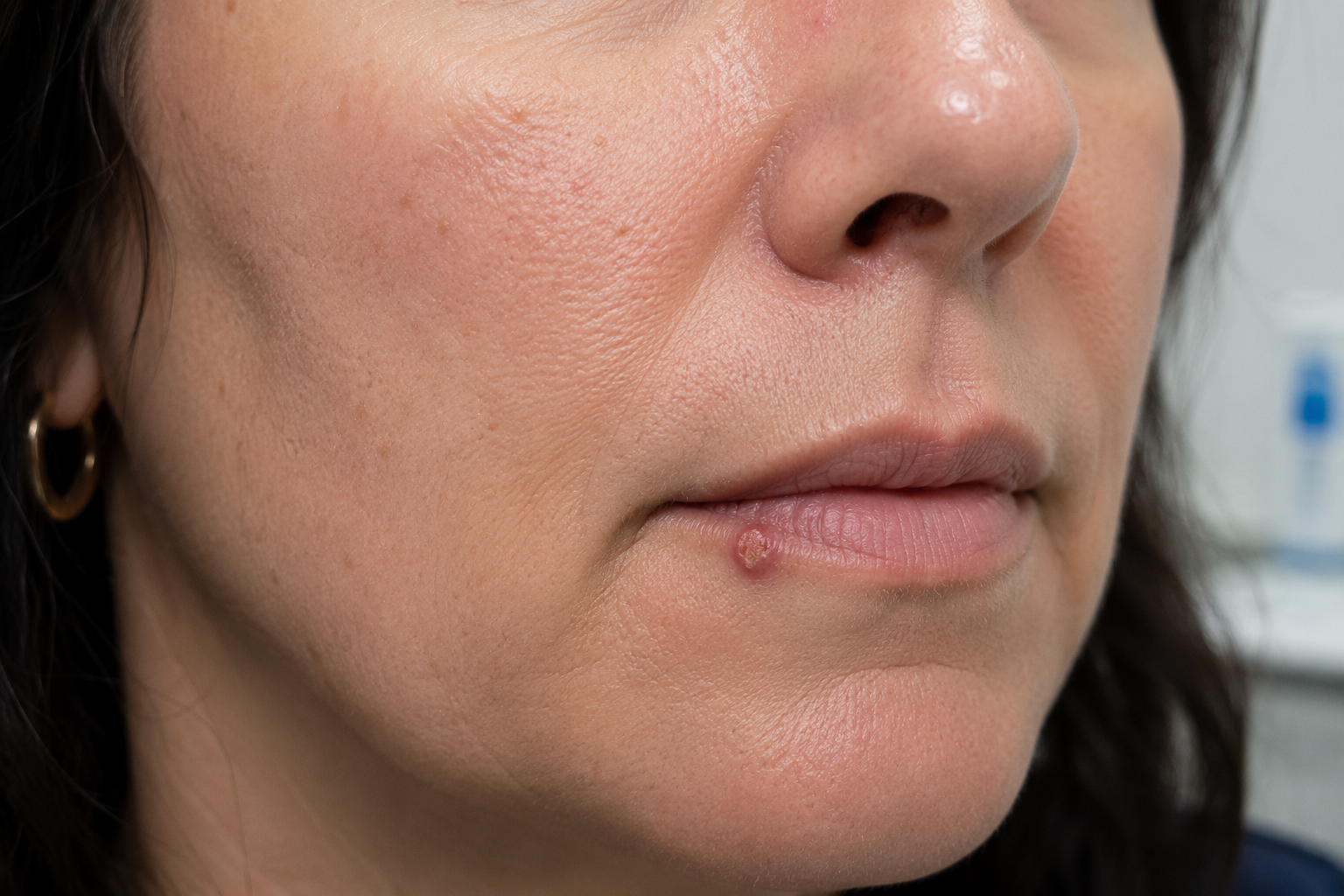
Wart on the Lip or Cold Sore? A Dermatologist Explains the Difference
Not every bump on the lip is a cold sore. Learn how Village Dermatology diagnosed and treated a persistent lip wart in a Houston-area patient and when a biopsy may be necessary.
by: Dr. Ashley Baldree
Evaluating a Persistent Lip Lesion in Katy and Houston, Texas
A new patient recently visited Village Dermatology concerned about a growth on her lower lip that had been present for approximately three months. The lesion first appeared shortly after a cold sore outbreak and had not resolved on its own.
Because growths on the lips can represent a variety of conditions—including warts, viral infections, benign growths, and, in rare cases, skin cancer—an accurate diagnosis by a board-certified dermatologist is important.
Patient Presentation
The patient was a 47-year-old woman who presented for evaluation of an asymptomatic lesion located on the right lower lip. She reported:
The lesion had been present for several months.
It developed after a cold sore outbreak.
The spot was not painful or itchy.
No prior treatment had been attempted.
No family history of melanoma.
A comprehensive skin examination of the face and lips was performed, including dermoscopic evaluation to closely examine the lesion's structure.
Examination Findings
Upon examination, a pink cauliflower-like papule was identified along the right inferior vermilion border of the lip.
The appearance was most consistent with verruca vulgaris, commonly known as a wart.
Warts are caused by infection with the human papillomavirus (HPV) and can occasionally develop on or around the lips. These lesions may appear rough, raised, or cauliflower-like and can persist for months if left untreated.
Because the lesion developed following a cold sore outbreak, it was understandable that the patient initially questioned whether the spot was related to herpes simplex virus. However, the clinical appearance suggested a wart rather than an active cold sore.
Treatment with Liquid Nitrogen Cryotherapy
After discussing treatment options, the patient elected to proceed with cryotherapy.
The lesion was carefully pared using a sterile blade before treatment. Liquid nitrogen was then applied using two freeze-thaw cycles to destroy the abnormal tissue.
Cryotherapy remains one of the most effective treatments for many common warts and offers several benefits:
Quick in-office procedure
Minimal downtime
No surgical incision required
High success rates for many wart types
Patients are counseled that temporary crusting, blistering, redness, or pigment changes can occur following treatment.
When Should a Lip Lesion Be Biopsied?
While many lip lesions are benign, persistent growths should never be ignored.
At Village Dermatology, we may recommend a biopsy when a lesion:
Does not respond to treatment
Continues to enlarge
Develops ulceration
Bleeds spontaneously
Has atypical clinical features
In this patient's case, a biopsy was discussed as a future option if the lesion fails to resolve after cryotherapy.
Managing Recurrent Cold Sores
During the visit, the patient also reported a history of recurrent cold sores.
Cold sores are caused by the herpes simplex virus (HSV-1) and commonly appear as painful clusters of blisters around the lips. While outbreaks often resolve on their own, many patients experience recurrent episodes triggered by:
Stress
Illness
Sun exposure
Trauma to the lips
Hormonal changes
For outbreak management, antiviral therapy was prescribed.
Preventing Future Herpes Simplex Outbreaks
Patients with recurrent cold sores can often reduce the severity and duration of outbreaks through early treatment and preventive measures.
Helpful strategies include:
Daily use of broad-spectrum SPF 30+ sunscreen
Avoiding excessive sun exposure
Managing stress levels
Beginning antiviral medication at the first sign of symptoms
Early intervention frequently shortens outbreaks and improves patient comfort.
Why Dermatology Evaluation Matters
Many patients assume any bump on the lip is a cold sore. However, dermatologists routinely diagnose a wide variety of lip lesions including:
Viral warts
Herpes simplex infections
Actinic cheilitis
Mucoceles
Benign growths
Precancerous lesions
Skin cancers
Obtaining an accurate diagnosis is essential for selecting the appropriate treatment and ensuring the best possible outcome.
Expert Wart and Cold Sore Treatment in Katy and Houston
At Village Dermatology, we diagnose and treat lip lesions, warts, cold sores, and skin cancers for patients throughout Katy, Houston, and surrounding communities.
If you have a persistent bump, wart, sore, or growth on your lip that does not heal, schedule an appointment with our dermatology team for a professional evaluation and personalized treatment plan.
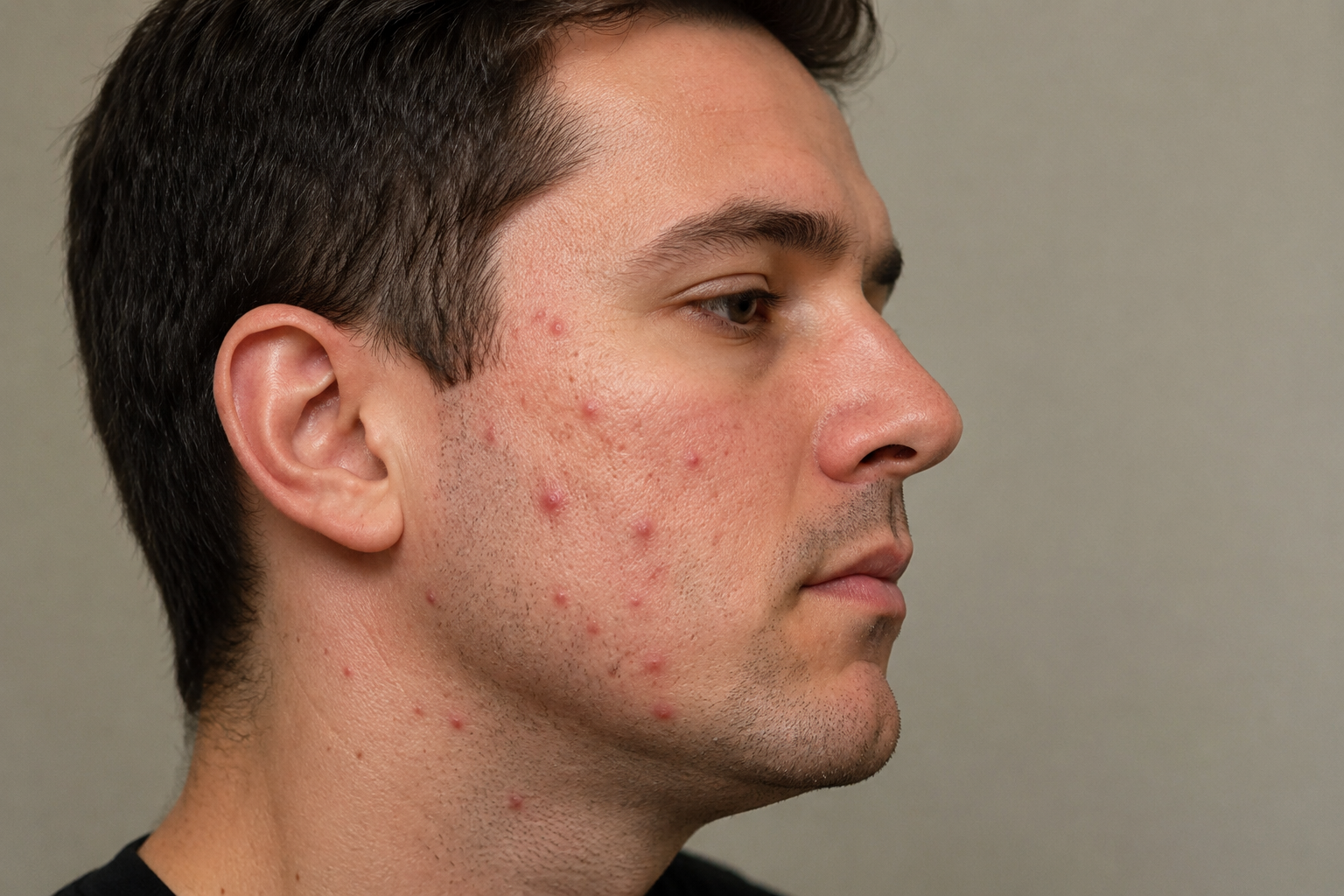
Acne Treatment Success with Isotretinoin (Accutane): Managing Side Effects While Achieving Clearer Skin
A 37-year-old patient undergoing Accutane treatment at Village Dermatology experienced improving acne with manageable side effects including dry lips and mild hair shedding. Learn how isotretinoin helps treat stubborn acne and what patients can expect during treatment.
by: Dr. Caroline Vaughn
Acne Treatment in Katy and Houston, Texas
Acne is one of the most common skin conditions treated at Village Dermatology. While many patients respond well to topical medications and oral antibiotics, some individuals require more advanced treatment to achieve lasting results. Isotretinoin, commonly known by its former brand name Accutane, remains one of the most effective treatments for moderate to severe acne.
Recently, we followed a 37-year-old male patient from the Katy and Houston area who was undergoing isotretinoin therapy for persistent facial acne.
The Patient's Acne Journey
The patient presented with moderate inflammatory and comedonal acne affecting both cheeks. His acne consisted of inflammatory papules, pustules, and clogged pores that had persisted for several months despite previous treatment attempts.
After a thorough evaluation, isotretinoin therapy was initiated to address the underlying causes of acne and reduce the risk of permanent scarring.
One-Month Follow-Up on Isotretinoin
At his one-month follow-up appointment, the patient reported that he was tolerating isotretinoin well overall. As expected, he experienced some common side effects including:
Dry lips (cheilitis)
Mild scalp hair shedding
Increased dryness of the skin
Fortunately, these side effects were manageable and did not interfere significantly with daily activities.
The patient had already been taking finasteride for androgenetic alopecia (male pattern hair loss). During the visit, we discussed that temporary increased hair shedding can occasionally occur while taking isotretinoin. In most cases, this side effect improves after treatment is completed.
Because the patient continued to experience a few new acne breakouts during the first month of therapy, his isotretinoin dosage was increased from 40 mg daily to 80 mg daily to help achieve optimal results.
Understanding Isotretinoin Side Effects
Many patients considering Accutane treatment are concerned about side effects. While isotretinoin is highly effective, close monitoring is essential.
Common side effects may include:
Dry lips
Dry skin
Dry eyes
Nosebleeds
Temporary hair shedding
Increased sun sensitivity
Patients receiving isotretinoin require regular follow-up appointments and laboratory monitoring throughout treatment.
At Village Dermatology, we carefully monitor all patients taking isotretinoin to ensure treatment remains both safe and effective.
Managing Cheilitis (Dry Lips) During Accutane Treatment
One of the most common side effects of isotretinoin is cheilitis, or inflammation and dryness of the lips.
To minimize discomfort, we recommend:
Frequent application of Vaseline® or Aquaphor®
Applying lip moisturizer before bedtime
Staying well hydrated
Avoiding lip licking, which can worsen irritation
Most patients find that consistent moisturization keeps symptoms manageable throughout treatment.
Important Safety Precautions for Accutane Patients
Patients taking isotretinoin should always follow safety guidelines, including:
Never sharing medication with others
Avoiding blood donation during treatment
Completing required monthly monitoring
Reporting any significant side effects immediately
Using sunscreen daily with SPF 30 or higher
Avoiding elective cosmetic procedures until advised by their dermatologist
Patient education is a critical part of successful isotretinoin therapy.
What Results Can Patients Expect?
Most patients begin seeing significant improvement after several months of treatment. While some breakouts may continue during the early stages, isotretinoin works by targeting all major causes of acne:
Excess oil production
Clogged pores
Inflammation
Acne-causing bacteria
Many patients experience long-term remission after completing a full cumulative treatment course.
Expert Acne Care in Katy and Houston
At Village Dermatology, we provide comprehensive acne treatment options for teenagers and adults throughout Katy, Houston, and surrounding communities. Whether you are struggling with persistent breakouts, acne scarring, or treatment-resistant acne, our team can develop a personalized treatment plan designed to help you achieve clearer skin.
If you are interested in learning whether isotretinoin (Accutane) may be right for you, schedule a consultation with Village Dermatology today.
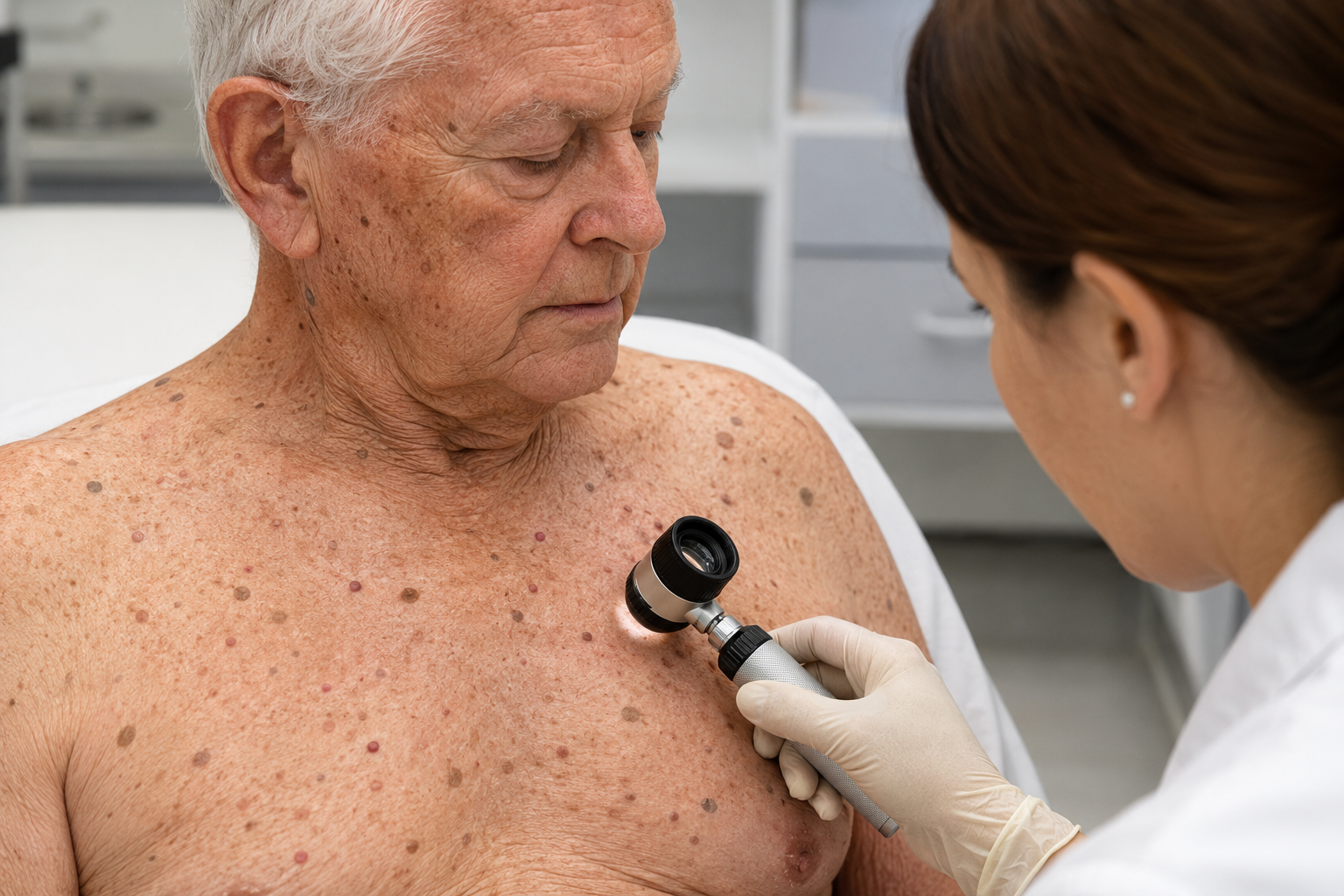
“Are These Dark Spots and Growths on My Skin Something to Worry About?”
A 78-year-old patient underwent a routine skin examination at Village Dermatology in Katy and Houston, Texas, revealing common benign skin growths including seborrheic keratoses, cherry angiomas, skin tags, and lentigines. Learn when these lesions should be evaluated and how dermatologists safely treat cosmetic concerns.
By: Dr. Caroline Vaughn
A Real Patient Case from Village Dermatology in Katy & Houston, Texas
As we age, it’s very common to notice new spots, bumps, and growths on the skin. Many patients worry these could be dangerous, but most are actually benign (non-cancerous) and part of normal skin aging.
This case highlights a 78-year-old male who presented for a routine upper body skin exam and was found to have several common, harmless skin growths.
Patient Case Overview
The patient came in for a full upper body skin check, with:
Asymptomatic lesions on the chest and neck
No pain, itching, or bleeding
On examination, several benign findings were identified:
Seborrheic keratoses (waxy, stuck-on growths)
Cherry angiomas (small red vascular spots)
Common Benign Skin Growths Explained
Seborrheic Keratoses
Waxy, “stuck-on” appearing lesions
Range from light tan to dark brown
Very common with aging
These are completely harmless and do not require treatment unless for cosmetic reasons.
Cherry Angiomas
Small, bright red or purple bumps
Caused by clusters of blood vessels
Increase in number over time
Also benign and do not require removal unless desired.
Skin Tags (Acrochordons)
Soft, flesh-colored growths
Common around the neck, armpits, and skin folds
Can become irritated from friction
In this case, multiple skin tags were safely removed with liquid nitrogen.
Lentigines (Sun Spots)
Flat, brown spots on sun-exposed areas
Caused by cumulative sun exposure over time
While harmless, they are a sign of sun damage, making sun protection essential.
Cosmetic Treatments Performed
Although these lesions are benign, some were treated for cosmetic reasons:
Liquid nitrogen (cryotherapy) used to remove:
1 seborrheic keratosis
10 skin tags
Patients were counseled on expected effects such as:
Temporary crusting or scabbing
Possible pigment changes
Low risk of scarring
The Importance of Sun Protection
Given the presence of sun-related skin changes, the patient was advised to:
Reapply every 2 hours when outdoors
Wear sun-protective clothing
Use SPF lip balm
Sunscreen helps prevent:
New sun spots
Skin aging
Skin cancer risk
When Should You See a Dermatologist?
Even though many skin growths are benign, it’s important to seek evaluation if you notice:
Rapid changes in size, shape, or color
Bleeding or non-healing lesions
New or unusual growths
Routine skin exams are especially important as we age.
Skin Cancer Screening & Dermatology Care in Katy & Houston, TX
Village Dermatology provides comprehensive skin exams and cosmetic treatments for patients across Katy and Houston, Texas, helping identify:
Benign vs. concerning lesions
Early signs of skin cancer
Age-related skin changes
Our goal is to keep your skin healthy, protected, and monitored over time.

“Why Does My Child Keep Getting These Itchy Bumps on Her Legs?”
A 4-year-old patient in Katy, TX presented with persistent itchy bumps diagnosed as molluscum contagiosum. Learn how dermatologists safely treat this common childhood condition.
By: Dr. Ashley Bladree
A Real Patient Case from Village Dermatology in Katy & Houston, Texas
Skin conditions in children can be stressful for parents—especially when bumps appear, spread, and don’t go away on their own. One of the most common causes of this in young children is molluscum contagiosum, a highly treatable viral skin condition.
This case highlights a 4-year-old female with persistent, itchy bumps on the back of her legs that required in-office treatment.
Patient Case Overview
The patient presented with:
Multiple itchy, irritated bumps on the back of both thighs
Symptoms present for several weeks
Increasing concern due to persistence and irritation
On exam:
Pink, shiny bumps with a central indentation (umbilication)
Classic appearance of molluscum contagiosum
Associated surrounding irritation (molluscum dermatitis)
What Is Molluscum Contagiosum?
Molluscum contagiosum is a common viral skin infection in children.
Key features:
Small, round, pink or flesh-colored bumps
Often have a central “dell” or indentation
Can be itchy or irritated
How it spreads:
Direct skin-to-skin contact
Shared items (towels, clothing)
Water exposure (pools, baths)
It is benign and very common, especially in children.
Why Do the Bumps Keep Spreading?
Many parents notice that the bumps increase over time.
This happens because:
The virus spreads easily through touch and scratching
Children may unknowingly autoinoculate (spread to other areas)
The immune system takes time to clear the virus
What Is Molluscum Dermatitis?
In this case, the patient also developed molluscum dermatitis, which is:
Red, irritated skin surrounding the bumps
Caused by the body’s immune response to the virus
This can make the condition appear worse—but it often signals that the body is starting to fight the infection.
Treatment Performed
Cantharidin (Blistering Therapy)
Applied to 8 lesions in the office
Causes controlled blistering to remove the bumps
Safe and commonly used in pediatric dermatology
Important Aftercare:
Wash off medication after 4 hours
Mild blistering or scabbing is expected
Avoid scratching to prevent spread
Supporting Treatment for Dermatitis
Triamcinolone cream for inflamed, itchy areas
Regular use of moisturizers (emollients) 2–3 times daily
When Should You Follow Up?
You should return if:
Bumps continue to spread rapidly
Lesions do not improve
Signs of infection appear (yellow crusting, pain)
This patient was scheduled for a 4-week follow-up to monitor progress.
Pediatric Dermatology Care in Katy & Houston, TX
Village Dermatology provides gentle, effective care for children with skin conditions like molluscum contagiosum across Katy and Houston, Texas. Our team focuses on:
Child-friendly treatment approaches
Minimizing discomfort and anxiety
Fast, effective clearance of lesions